Fence damage isn’t just a cosmetic issue. In a commercial setting, it creates access points, weakens the system, and can put you out of compliance.
For property managers, developers, and facilities teams around Reno and Northern Nevada, it’s important to understand how damage actually shows up in the field and what it means for your day-to-day operations.
At A1 Fence LV, we work with commercial properties dealing with everything from forklift hits to wind damage to long-term wear.
This breakdown covers what typically causes fence damage, how it affects performance, and what to look at when deciding between repair and replacement.
How Fence Damage Alters Perimeter Security Function
Commercial fencing is built to control access, hold up under load, and clearly define your perimeter. Once damage starts, those functions drop off quickly.
A bent post or a sagging section of chain link isn’t just an appearance issue. It shifts load onto the next posts, stresses your hardware, and creates openings that people notice. One of the most common issues we see is vehicle impact. Forklifts, delivery trucks, and regular tenant traffic all contribute, and it doesn’t take much force. Even a low-speed bump can bend bottom rails, knock posts out of alignment, or throw off a gate track.
Reno weather adds another layer. High winds loosen fence fabric and tension wire, and freeze-thaw cycles move the ground and affect post footings. Snow and ice loads build on top of that over time. As systems age, chain link starts to sag if it hasn’t been maintained, metal fencing develops rust at welds and ground contact points, and gates begin to fall out of alignment, derail, or stop closing all the way.
At that stage, the fence may still be standing, but it’s no longer performing the way it was designed to.
What Matters Most for Reliability and Long-Term Performance
From an estimator’s standpoint, we focus on post stability, material condition, and maintenance history. Those three factors tell you a lot about how the system is going to perform.
Post anchoring is especially important in Reno due to wind exposure and soil movement. When footings start to shift or loosen, the entire section loses stability. In those cases, surface repairs don’t solve the issue. The posts usually need to be reset to restore the structure.
Material selection also plays a role in how quickly problems show up. In the field, vinyl-coated chain link tends to hold up well over time, while untreated wood fencing breaks down faster in this environment. Older galvanized systems without protective coatings are also starting to show their age, especially in Nevada’s alkaline soil conditions where corrosion moves quicker than expected.
When damage isn’t addressed early, costs increase. What could have been handled as a repair turns into partial replacement, and eventually full replacement if it continues to spread. Gates are where these problems show up the fastest from an operational standpoint. When a gate starts sticking, coming off track, or failing to close properly, it slows down deliveries, disrupts access systems, and creates ongoing issues for tenants and staff.
There are also compliance considerations. Fire codes require clear egress, and damaged fencing can create liability concerns. Insurance inspections may flag these issues as well, which can affect coverage if they aren’t addressed.
Common Misunderstandings About Fence Maintenance
A common assumption is that fencing doesn’t require much attention after installation. In reality, especially in Reno, regular inspection and maintenance are necessary to keep systems functioning properly.
Tension wire, fabric, and post conditions should be checked periodically, particularly after weather events or seasonal changes. Without that, smaller issues tend to turn into larger structural problems that are more expensive to correct.
Another issue we see frequently is relying on cosmetic fixes. Painting over rust or patching damaged sections without correcting alignment or structural problems might improve the appearance temporarily, but it doesn’t hold up under stress. The underlying issue remains, and the system continues to degrade.
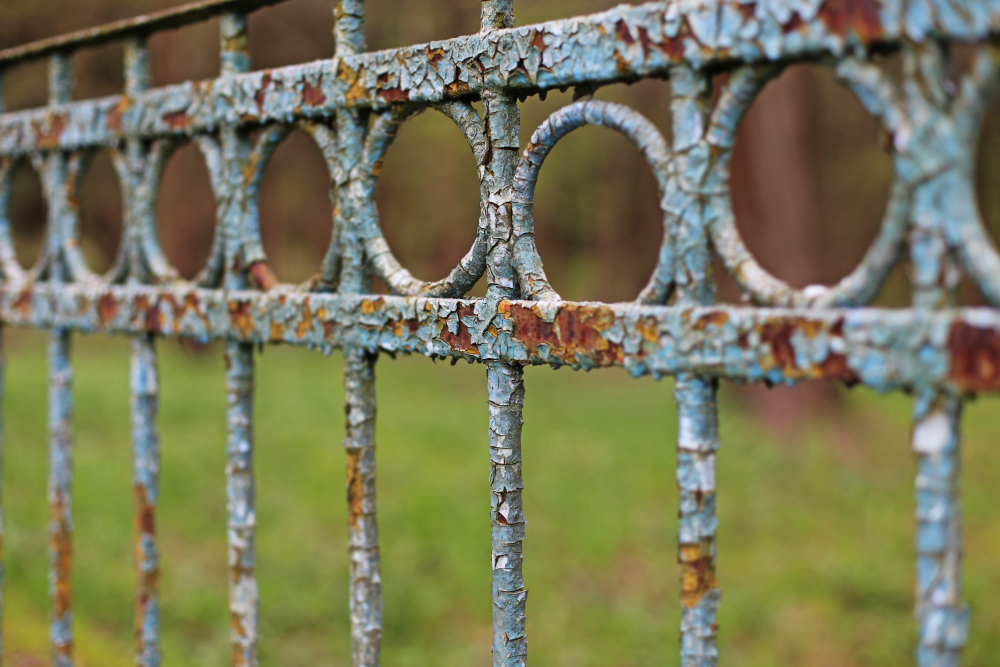
Many older commercial properties still have legacy galvanized fencing that was installed years ago. These systems are now reaching the end of their service life and tend to fail more easily under wind loads or impact. Upgrading to newer materials with better coatings and durability is often the more practical long-term solution.
Older slide gate systems also come up often. Without modern track designs and hardware, they are more prone to derailment and repeated service issues. In many cases, repair work turns into an upgrade once those patterns become clear.
Another misconception is that visual condition tells the whole story. A fence may look intact from a distance, but still have loose posts, weakened tension, or failing hardware. That’s where problems tend to show up unexpectedly.
How Damage Shows Up in Day-to-Day Operations
From an operations standpoint, fence damage usually becomes noticeable through gaps, uneven sections, and issues with gate function.
Vehicle contact often bends lower rails and shifts posts slightly out of alignment. Wind can loosen fabric over time, and freeze-thaw cycles create movement at the base of posts, leading to uneven fence lines and visible separation at the ground.
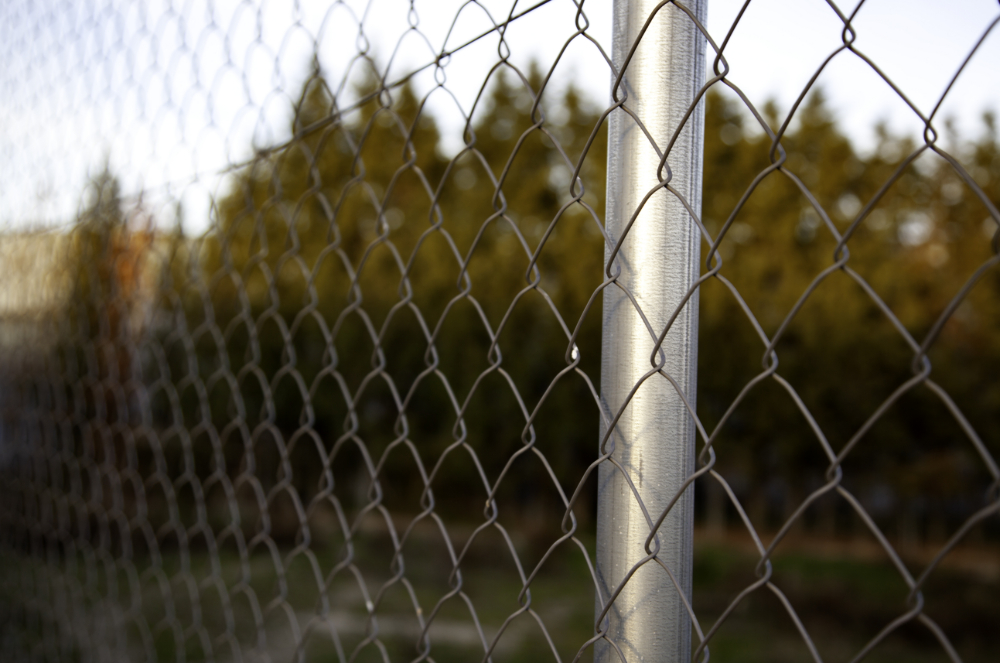
Gates are typically the first component to affect daily operations. Misalignment can cause binding during opening and closing, while track damage can lead to derailment. Hinges wear down over time, causing gates to sag and preventing proper closure, which directly impacts automated systems and access control.
Repair work is usually scheduled around site activity and often takes one to three days depending on the scope, particularly for gate-related issues. Coordination with deliveries, tenants, and staff is usually part of the process to minimize disruption.
In many cases, repairs such as re-tensioning wire, realigning tracks, or resetting posts can restore function without replacing the entire system. The extent of the work depends on how far the damage has progressed and whether surrounding components have also been affected.
During that time, there can be some operational impact. Deliveries may need to be rerouted, temporary access control measures may be required, and documentation may need to be updated for compliance or insurance purposes.
Connecting Fence Condition to Project Planning and Repair Decisions
Discussions around fence damage often come up during broader planning for maintenance or capital improvement projects. From an estimating standpoint, the goal is to determine whether repairs will fully restore function or if replacement is the more cost-effective option based on the system’s condition.
Site-specific factors play a major role. A post issue in a high-wind or high-traffic area may need to be addressed quickly, while surface-level deterioration in a lower-impact area might not be as urgent. Material condition, exposure, and compliance requirements all factor into how work is prioritized.
For property managers and facilities teams in Reno and Northern Nevada, having a clear understanding of how fence damage affects security makes it easier to plan budgets and timelines.
A1 Fence LV works with commercial clients to evaluate existing systems, coordinate repairs, and ensure compliance across a range of property types.
If you’re planning a project or dealing with an existing issue, you can request a quote at:
https://a1fencelv.com/request-a-quote
You can also contact Lalo Flores directly at 775-451-3328 or lalo@a1fencelv.com to go over your site.
source https://a1fencelv.com/how-fence-damage-impacts-business-security/

No comments:
Post a Comment