Tuesday, April 28, 2026

What Weather Conditions Cause the Most Fence Damage in Reno?

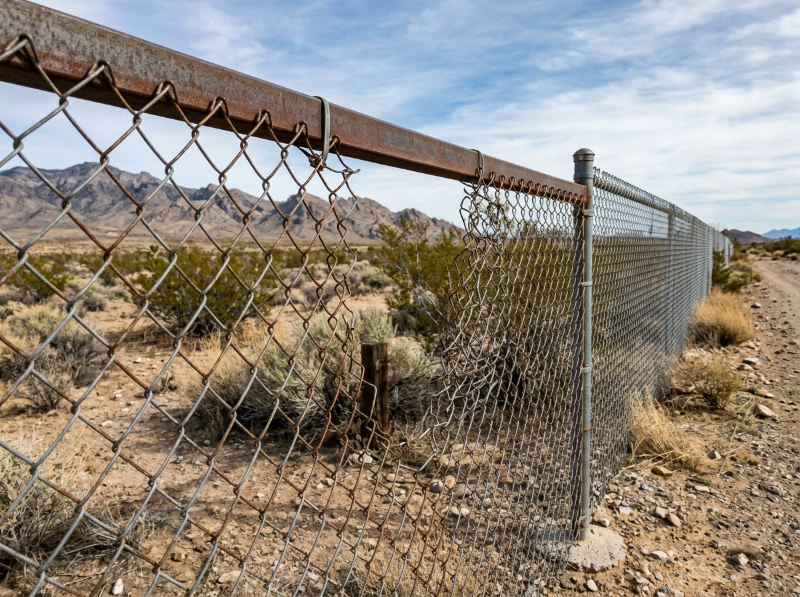
Reno’s seasonal climate creates specific challenges for residential fences that homeowners should understand before planning repairs or new installations. The combination of freeze-thaw cycles, snow accumulation, wind exposure, and temperature swings throughout the year puts consistent stress on fence posts, panels, and fasteners. Knowing which conditions cause the most wear helps property owners make better decisions about materials, maintenance timing, and when to call in a professional for fence and gate repair.

This article breaks down the primary weather factors that lead to fence damage in Northern Nevada and explains what actually happens to fence structures when exposed to these conditions over time.

Freeze-Thaw Cycles and Ground Movement

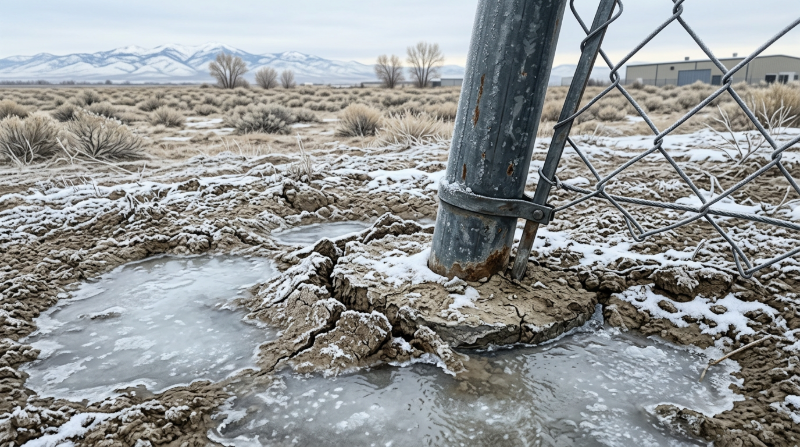
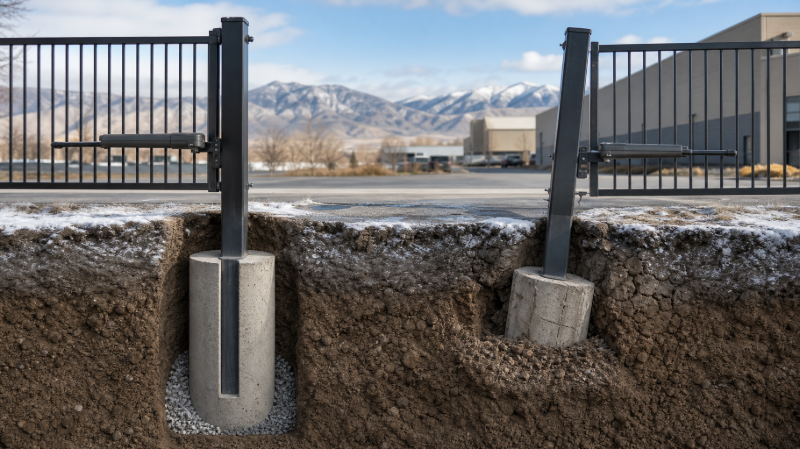
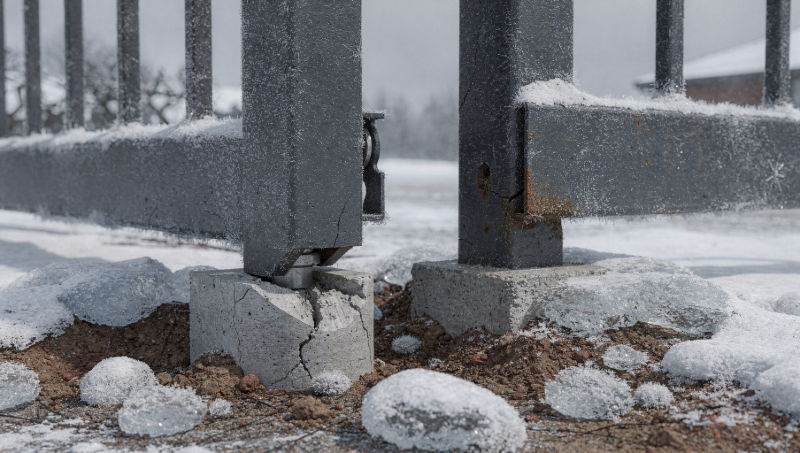
The repeated freezing and thawing of soil in Reno and surrounding Northern Nevada communities is one of the most damaging forces a fence will face. When moisture in the ground freezes, it expands. When it thaws, the soil contracts. This cycle repeats dozens of times throughout a typical winter season.

Posts set in the ground experience this movement directly. Over time, the expansion and contraction can push posts upward or shift them out of plumb. This is sometimes called frost heave, and it affects wood, metal, and vinyl posts alike.

Once a post shifts, the panels or pickets attached to it no longer sit level. Gates become harder to open and close. Hardware pulls loose from the surrounding material.

The depth of the post setting matters here. Posts that were not set deep enough during installation are more vulnerable to this movement. Concrete footings help anchor posts, but even concrete can crack or shift if the surrounding soil moves significantly.

Homeowners often notice the results of freeze-thaw damage in spring. Leaning sections, gaps between panels, and gates that drag on the ground are common signs.

Addressing this kind of damage early prevents it from spreading to adjacent sections. Waiting too long can turn a single shifted post into a structural problem across an entire fence line.

Wind Exposure and Panel Stress

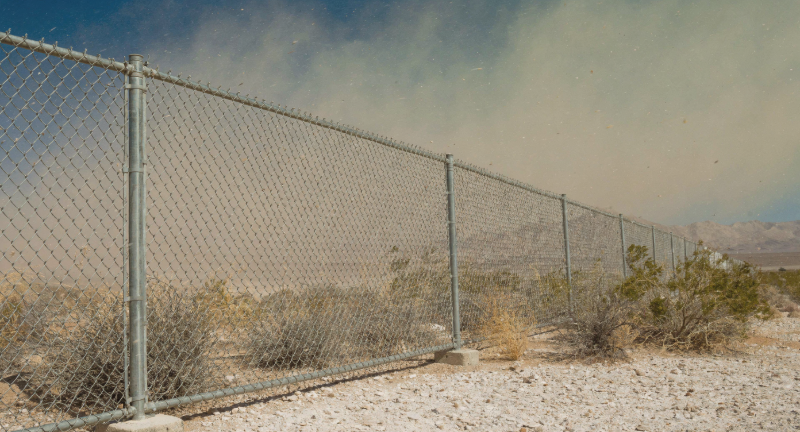
Reno sits in a high desert valley where wind events are common, especially during seasonal transitions. Strong gusts put lateral pressure on fence panels, and over time, this pressure loosens fasteners and stresses connection points.

Solid panel fences catch more wind than designs with gaps or slats. Privacy fences, for example, act almost like sails during a windstorm. The more surface area exposed to the wind, the greater the load transferred to the posts and rails.

Fasteners bear much of this stress. Nails and screws work loose as the fence flexes. Brackets pull away from posts. Rails separate from panels. Repeated wind exposure also causes cumulative fatigue in the materials themselves. Wood fibers weaken at stress points. Metal components develop micro-cracks. Vinyl can become brittle over time, especially when combined with UV exposure.

After a significant wind event, it is worth walking the fence line to check for loose sections, leaning posts, or hardware that has pulled free. Catching these issues early allows for targeted repairs rather than full panel replacement.

In areas with consistent wind exposure, fence design choices matter. Some homeowners opt for semi-private styles that allow airflow through the fence while still providing a visual barrier. This reduces the wind load and extends the lifespan of the structure.

Snow Load and Moisture Accumulation

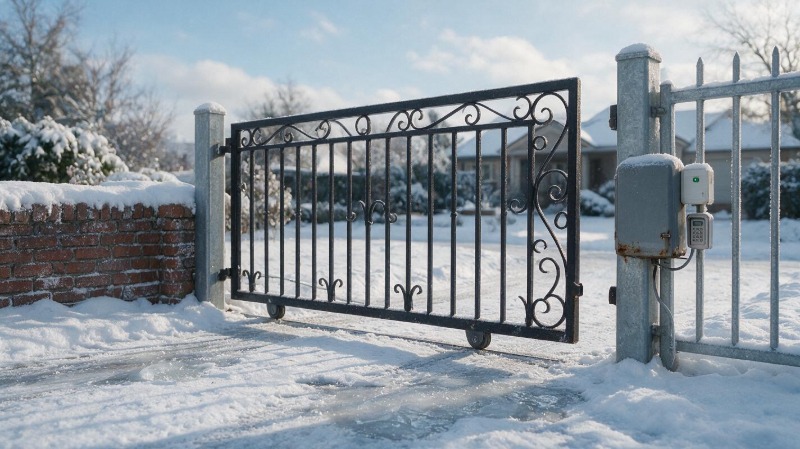
Snow accumulation creates two separate problems for fences. The first is weight. Heavy, wet snow piling against a fence adds load that the structure was not necessarily designed to bear. Panels can bow, rails can crack, and posts can shift under sustained pressure.

The second problem is moisture. As snow melts, water soaks into wood, seeps into joints, and pools around post bases. This prolonged moisture exposure accelerates rot in wood fences and can cause corrosion in metal components.

Horizontal surfaces are particularly vulnerable. The tops of posts, the upper edges of pickets, and flat rails all collect moisture. Without proper drainage or protective treatment, these areas deteriorate faster than vertical surfaces.

Fences installed close to drip lines or in areas where snow drifts accumulate face higher moisture exposure. Low spots in the yard where meltwater pools also create risk.

Clearing heavy snow from fence lines when practical reduces the load on the structure. Ensuring that fence bases have adequate drainage helps limit standing water contact.

Material selection plays a role here as well. Some materials handle moisture better than others, but no material is entirely immune. Regular inspection after the snow season helps identify moisture damage before it spreads.

Seasonal Temperature Swings and Material Expansion

Reno’s climate includes significant temperature variation, sometimes within a single day. Summer highs and winter lows can differ by more than 80 degrees over the course of a year. Daily swings of 30 to 40 degrees are common in spring and fall.

All fence materials expand and contract with temperature changes. Wood absorbs and releases moisture as humidity and temperature shift, causing boards to swell and shrink. Vinyl expands noticeably in heat and contracts in cold. Metal expands and contracts as well, though typically less than vinyl.

This constant movement stresses joints, fasteners, and connection points. Over years, the cumulative effect loosens hardware and creates gaps.

Gates are particularly sensitive to these changes. A gate that swings freely in summer may drag or stick in winter. Latches that align perfectly in one season may miss their catches in another.

Allowing for expansion and contraction during installation helps reduce this stress. Leaving small gaps at panel connections, using fasteners that allow some movement, and choosing hardware designed for temperature variation all contribute to longer service life.

Homeowners who notice seasonal changes in gate operation or panel fit are seeing the effects of thermal expansion. Minor adjustments to hardware or latch positioning can often resolve these issues without major repairs.

Working With a Reno Fence Contractor

Understanding how Reno’s weather affects fence structures helps homeowners plan maintenance and recognize when repairs are needed. Freeze-thaw cycles, wind, snow, and temperature swings all contribute to wear over time, and each creates distinct signs of damage.

For property owners in Reno and surrounding Northern Nevada communities, working with a contractor who understands these local conditions makes a difference. A1 Fence LV brings decades of experience to residential fence repair and installation, with familiarity in how seasonal climate affects long-term fence performance.
If you are evaluating repairs or considering how to extend the life of an existing fence, you can request a quote online at https://a1fencelv.com/request-a-quote, call 775-451-3328, or email ed@a1fencelv.com. Submitting the online request form is the simplest starting point for property owners ready to discuss their situation and review practical next steps.


source https://a1fencelv.com/what-weather-conditions-cause-the-most-fence-damage-in-reno/

Saturday, April 25, 2026

How Fence Damage Impacts Business Security

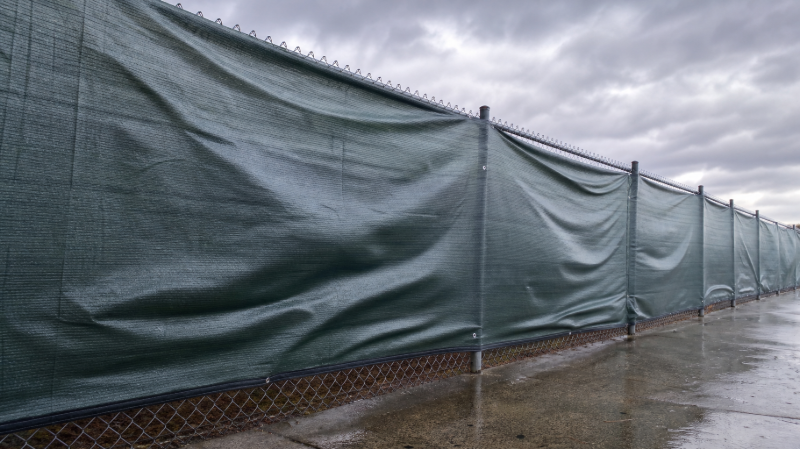
Fence damage isn’t just a cosmetic issue. In a commercial setting, it creates access points, weakens the system, and can put you out of compliance.

For property managers, developers, and facilities teams around Reno and Northern Nevada, it’s important to understand how damage actually shows up in the field and what it means for your day-to-day operations.

At A1 Fence LV, we work with commercial properties dealing with everything from forklift hits to wind damage to long-term wear.

This breakdown covers what typically causes fence damage, how it affects performance, and what to look at when deciding between repair and replacement.


How Fence Damage Alters Perimeter Security Function

Commercial fencing is built to control access, hold up under load, and clearly define your perimeter. Once damage starts, those functions drop off quickly.

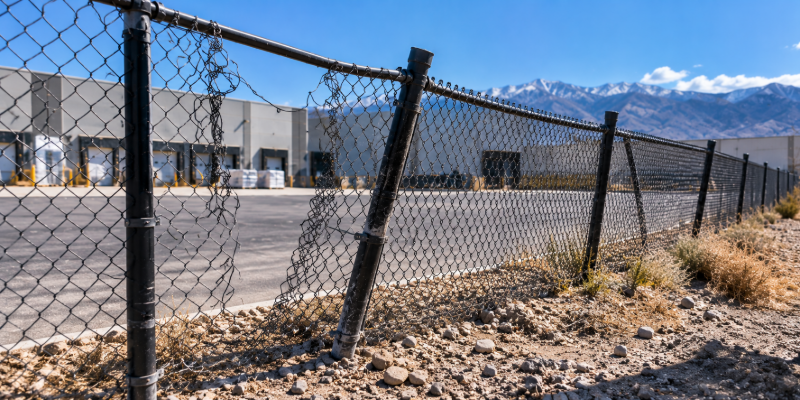
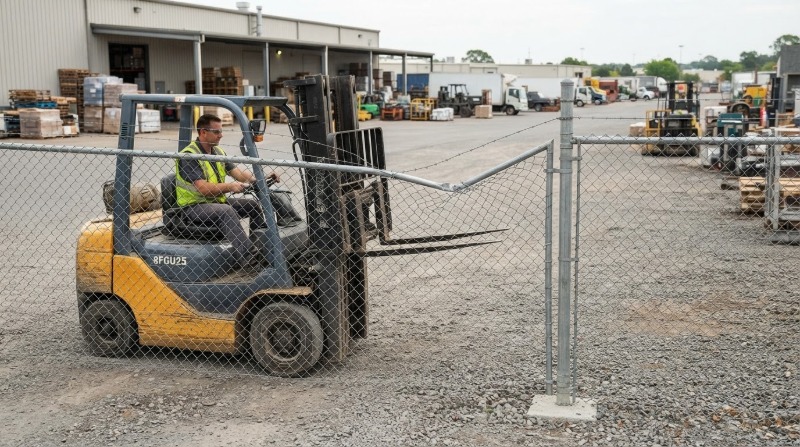
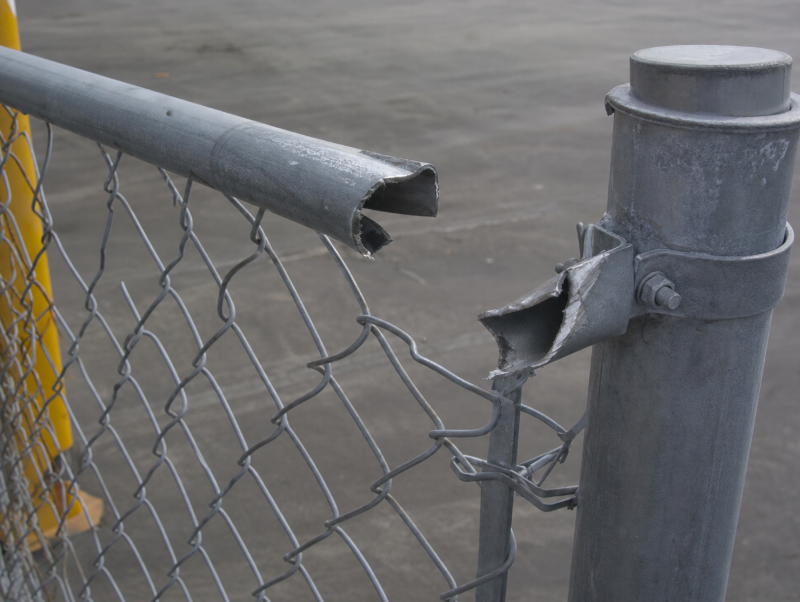
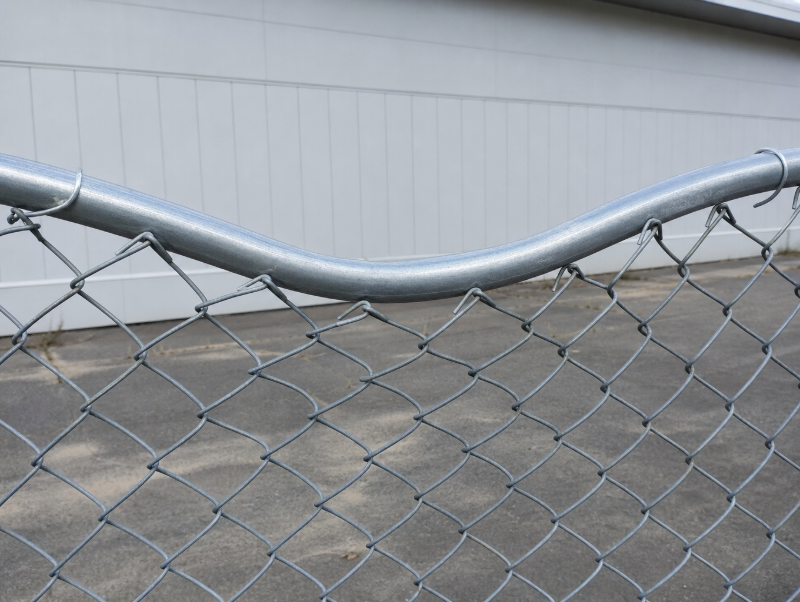
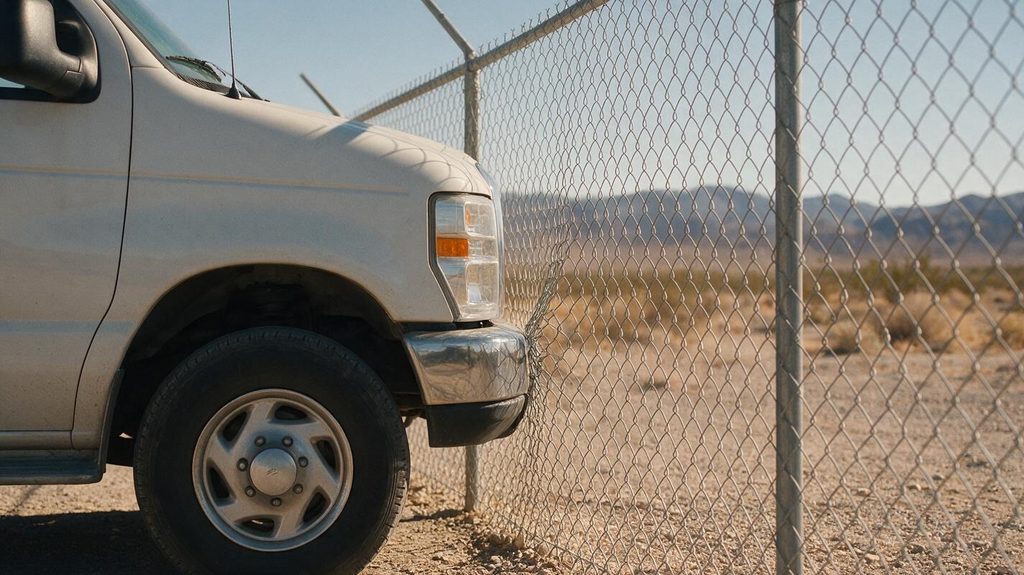
A bent post or a sagging section of chain link isn’t just an appearance issue. It shifts load onto the next posts, stresses your hardware, and creates openings that people notice. One of the most common issues we see is vehicle impact. Forklifts, delivery trucks, and regular tenant traffic all contribute, and it doesn’t take much force. Even a low-speed bump can bend bottom rails, knock posts out of alignment, or throw off a gate track.

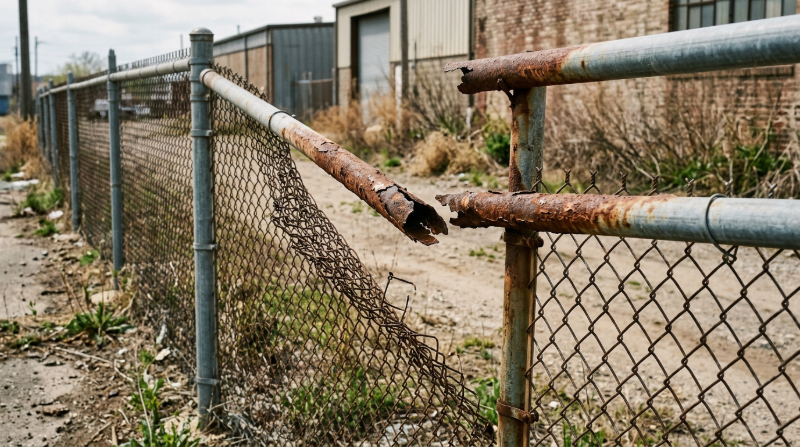
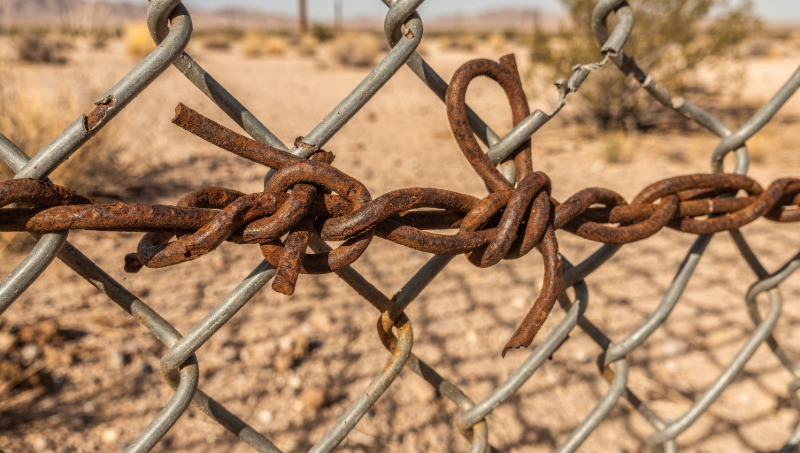
Reno weather adds another layer. High winds loosen fence fabric and tension wire, and freeze-thaw cycles move the ground and affect post footings. Snow and ice loads build on top of that over time. As systems age, chain link starts to sag if it hasn’t been maintained, metal fencing develops rust at welds and ground contact points, and gates begin to fall out of alignment, derail, or stop closing all the way.

At that stage, the fence may still be standing, but it’s no longer performing the way it was designed to.


What Matters Most for Reliability and Long-Term Performance

From an estimator’s standpoint, we focus on post stability, material condition, and maintenance history. Those three factors tell you a lot about how the system is going to perform.

Post anchoring is especially important in Reno due to wind exposure and soil movement. When footings start to shift or loosen, the entire section loses stability. In those cases, surface repairs don’t solve the issue. The posts usually need to be reset to restore the structure.

Material selection also plays a role in how quickly problems show up. In the field, vinyl-coated chain link tends to hold up well over time, while untreated wood fencing breaks down faster in this environment. Older galvanized systems without protective coatings are also starting to show their age, especially in Nevada’s alkaline soil conditions where corrosion moves quicker than expected.

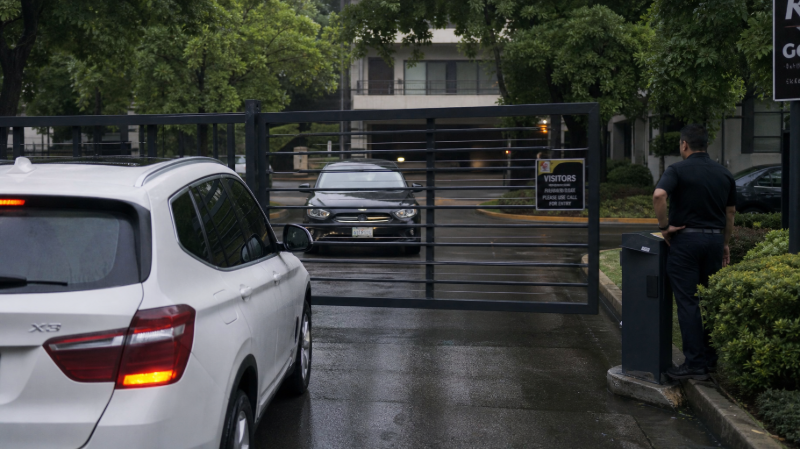
When damage isn’t addressed early, costs increase. What could have been handled as a repair turns into partial replacement, and eventually full replacement if it continues to spread. Gates are where these problems show up the fastest from an operational standpoint. When a gate starts sticking, coming off track, or failing to close properly, it slows down deliveries, disrupts access systems, and creates ongoing issues for tenants and staff.

There are also compliance considerations. Fire codes require clear egress, and damaged fencing can create liability concerns. Insurance inspections may flag these issues as well, which can affect coverage if they aren’t addressed.


Common Misunderstandings About Fence Maintenance

A common assumption is that fencing doesn’t require much attention after installation. In reality, especially in Reno, regular inspection and maintenance are necessary to keep systems functioning properly.

Tension wire, fabric, and post conditions should be checked periodically, particularly after weather events or seasonal changes. Without that, smaller issues tend to turn into larger structural problems that are more expensive to correct.

Another issue we see frequently is relying on cosmetic fixes. Painting over rust or patching damaged sections without correcting alignment or structural problems might improve the appearance temporarily, but it doesn’t hold up under stress. The underlying issue remains, and the system continues to degrade.

Many older commercial properties still have legacy galvanized fencing that was installed years ago. These systems are now reaching the end of their service life and tend to fail more easily under wind loads or impact. Upgrading to newer materials with better coatings and durability is often the more practical long-term solution.

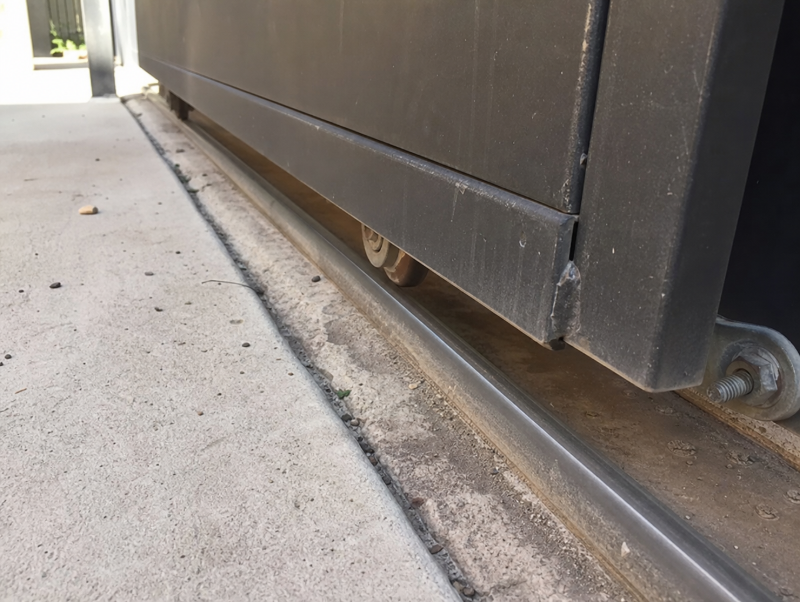
Older slide gate systems also come up often. Without modern track designs and hardware, they are more prone to derailment and repeated service issues. In many cases, repair work turns into an upgrade once those patterns become clear.

Another misconception is that visual condition tells the whole story. A fence may look intact from a distance, but still have loose posts, weakened tension, or failing hardware. That’s where problems tend to show up unexpectedly.


How Damage Shows Up in Day-to-Day Operations

From an operations standpoint, fence damage usually becomes noticeable through gaps, uneven sections, and issues with gate function.

Vehicle contact often bends lower rails and shifts posts slightly out of alignment. Wind can loosen fabric over time, and freeze-thaw cycles create movement at the base of posts, leading to uneven fence lines and visible separation at the ground.

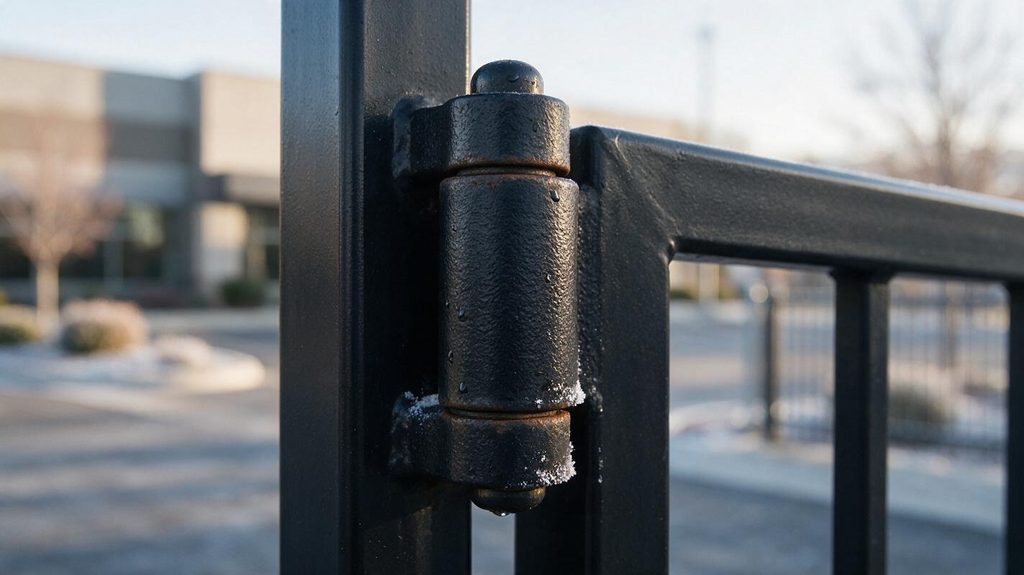
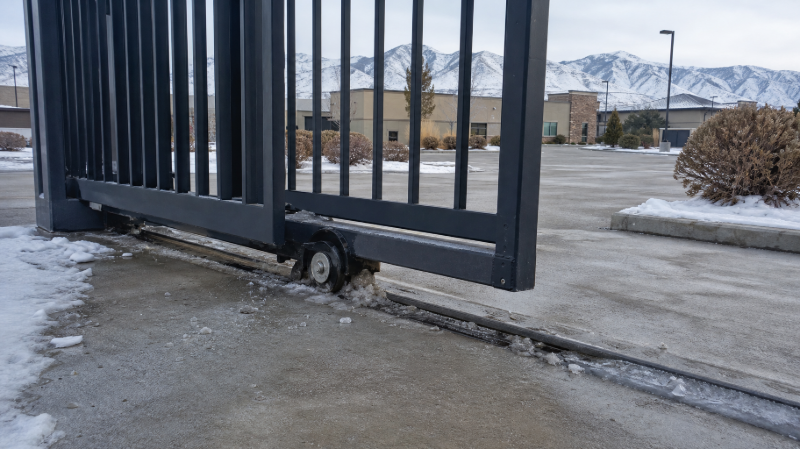
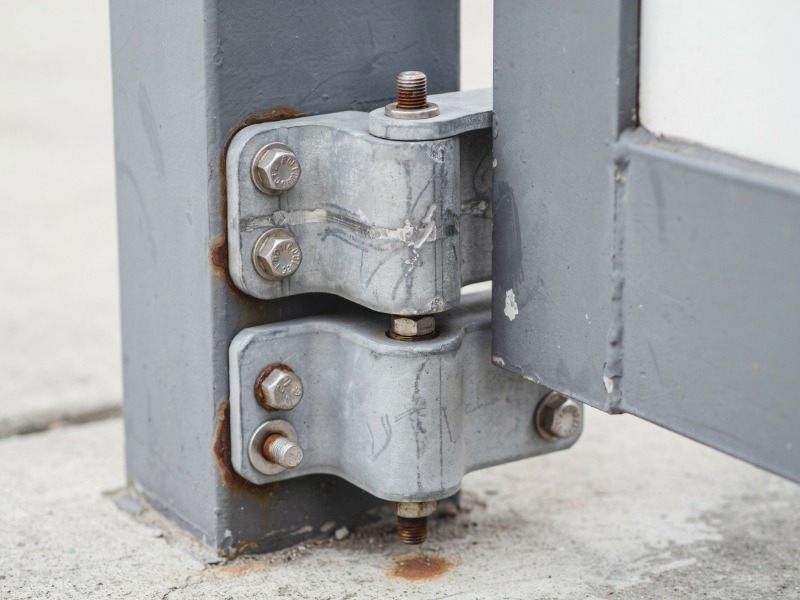
Gates are typically the first component to affect daily operations. Misalignment can cause binding during opening and closing, while track damage can lead to derailment. Hinges wear down over time, causing gates to sag and preventing proper closure, which directly impacts automated systems and access control.

Repair work is usually scheduled around site activity and often takes one to three days depending on the scope, particularly for gate-related issues. Coordination with deliveries, tenants, and staff is usually part of the process to minimize disruption.

In many cases, repairs such as re-tensioning wire, realigning tracks, or resetting posts can restore function without replacing the entire system. The extent of the work depends on how far the damage has progressed and whether surrounding components have also been affected.

During that time, there can be some operational impact. Deliveries may need to be rerouted, temporary access control measures may be required, and documentation may need to be updated for compliance or insurance purposes.


Connecting Fence Condition to Project Planning and Repair Decisions

Discussions around fence damage often come up during broader planning for maintenance or capital improvement projects. From an estimating standpoint, the goal is to determine whether repairs will fully restore function or if replacement is the more cost-effective option based on the system’s condition.

Site-specific factors play a major role. A post issue in a high-wind or high-traffic area may need to be addressed quickly, while surface-level deterioration in a lower-impact area might not be as urgent. Material condition, exposure, and compliance requirements all factor into how work is prioritized.

For property managers and facilities teams in Reno and Northern Nevada, having a clear understanding of how fence damage affects security makes it easier to plan budgets and timelines.

A1 Fence LV works with commercial clients to evaluate existing systems, coordinate repairs, and ensure compliance across a range of property types.

If you’re planning a project or dealing with an existing issue, you can request a quote at:
https://a1fencelv.com/request-a-quote

You can also contact Lalo Flores directly at 775-451-3328 or lalo@a1fencelv.com to go over your site.


source https://a1fencelv.com/how-fence-damage-impacts-business-security/

Tuesday, March 3, 2026

Electric Gates in Reno: What Property Owners Need to Know

Electric gates are becoming more common across Reno as residential and commercial property owners look for safer, more controlled access. Northern Nevada presents unique challenges for gate systems, and many of the failures I see across the region come from climate stress combined with installation shortcuts.

When Eli, our owner, decided to expand A1 Fence into the Reno market, he asked me to lead the automatic gate side of the operation. My focus is access control design and long term system performance in a region where the environment puts real stress on equipment.

I’ve spent more than 25 years in the gate and access control industry. I grew up around chain link systems, learned the metal trades during the early Las Vegas growth years, and went on to work in fabrication, installation, distribution, sales, and training. That range of experience shapes how I evaluate every project in Northern Nevada.

Why Electric Gates Fail More Often in Northern Nevada

Reno’s climate pushes gate systems hard. Fast temperature swings, strong winds, and shifting soil test every hinge, post, and operator. When an operator has to compensate for movement, torque, or misalignment, it wears out early.

The most common failure points I encounter are:

  • Hinge alignment issues that force the operator to pull more weight than intended
  • Footings that are too shallow for soil movement
  • Operators that are undersized for the gate load or duty cycle

Any one of these can lead to binding, dragging, cycling problems, and eventual operator failure.

Residential and Commercial Gates Are Not Built the Same

One of the biggest misconceptions I see in this market is the idea that all gate operators are interchangeable. They are not. Residential operators are designed for lighter use. Commercial operators are built for higher torque, longer duty cycles, and harsher conditions.

Choosing the wrong class of operator shortens the life of the system. Part of my role is helping property owners and builders match the equipment to their actual use conditions rather than relying on generic recommendations.

Why Installation Quality Matters More Than the Operator Brand

Most gate failures trace back to installation quality. Even a high quality operator cannot overcome poor alignment, weak posts, or a frame that is not square. Reno’s climate magnifies structural weaknesses, which makes installation fundamentals critical.

When we build gate systems in Northern Nevada, we focus on:

  • Deep, reinforced footings designed for soil movement
  • Frames that stay square under load
  • Proper hinge alignment to reduce strain on the operator
  • Material selection that resists warping and expansion

When these fundamentals are handled correctly, the operator lasts longer and cycles more consistently.

What I Look for Before a Gate Is Built

Before a gate is fabricated or an operator is selected, I evaluate the conditions on site. Wind exposure, grade changes, soil movement, traffic patterns, and duty cycle all matter. Those factors determine what the system must deliver over time.

My goal is straightforward. Align the site conditions with the right operator, the right materials, and the right structural approach so the system performs reliably year after year.

Maintenance That Actually Matters in Reno

Once a gate is built correctly, maintenance becomes predictable. The priorities are simple:

  • Check alignment after major storms or temperature swings
  • Verify that posts have not shifted
  • Inspect wiring and electrical connections
  • Clear debris so the operator is not forced to overwork

These steps prevent minor issues from turning into expensive repairs.

The Bottom Line for Property Owners in Reno

Electric gates can be reliable in Northern Nevada when they are designed for the climate, installed correctly, and maintained with intention. The failures many property owners experience are avoidable when the fundamentals are handled properly.

If you are planning a new gate system or dealing with recurring problems, I can help you evaluate your site conditions and determine what type of system will hold up in Reno’s environment.


source https://a1fencelv.com/electric-gates-in-reno/

Thursday, October 2, 2025

Solving a Dual-Gate Challenge in Las Vegas

When Two Gates Don’t Play Nice

Picture pulling into your driveway and not knowing which gate will open — or worse, having two cars trying to use separate gates that can’t operate at the same time.

That was the situation one Las Vegas homeowner was dealing with when they called me. On the surface, it was a gorgeous property with a wrought iron and stone entrance, complete with two gates: one for entry, one for exit. But behind the beauty was daily frustration, safety concerns, and a system that just didn’t work the way it should.

I knew right away this was going to take more than a standard solution.

Finding the Right Fit

The homeowner’s goals were simple: reliability, safety, and a design that wouldn’t ruin the look of their entrance. Standard openers could move the gates, sure, but none of them solved the real problem: how to coordinate two big gates in a way that felt easy and intuitive.

After looking at several options, I recommended the Nice Juno Slide Gate Operator. It was compact, powerful, and smart. More importantly, it offered small details I knew would make a big difference in everyday life.

Building the Solution

Once we had the plan, our lead installer Zachary Thompson made it happen. Together, we put in a system that included:

  • Nice Juno Slide Gate Operator – Quiet, compact, and reliable.
  • Security Brands Wireless Keypad – Secure access without the hassle.
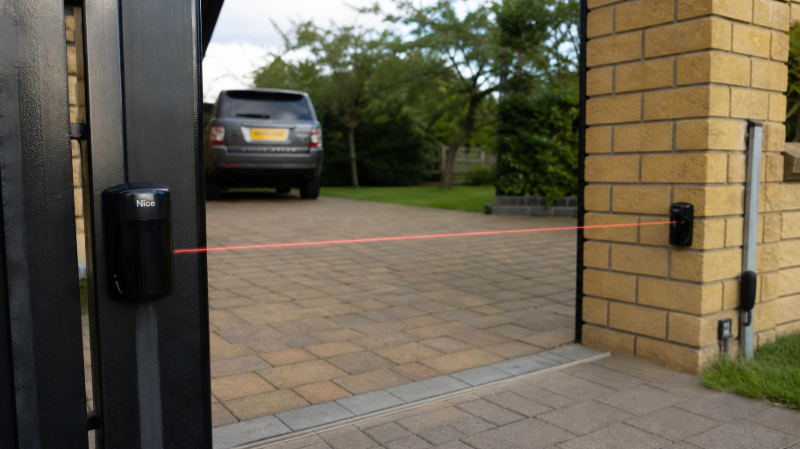
  • AES Global E-Loop – Automatic exit detection so vehicles could leave smoothly.

One feature I really liked was the Juno’s built-in indicator light. With two gates in play, the homeowner could see at a glance which one was working. That little detail ended up making a big impact.

After the install, the difference was obvious. The homeowner now has a system that works smoothly every time:

  • Clear visual cues for gate status.
  • Easy entry and exit without delays.
  • A setup that blends into the property without standing out.

For the homeowner, it meant peace of mind. For me, it meant knowing we solved more than a technical problem — we made their daily routine easier.

The Takeaway

Not every fence or gate project is straightforward. When you’ve got unique layouts, heavy gates, or custom properties, a one-size-fits-all approach doesn’t cut it.

The right solution comes from listening to the homeowner, understanding their priorities, and matching the right technology to the situation. That’s what we focus on at A1 Fence — solving problems in a way that feels effortless once the job is done.

A Final Note
This project was a highlight for me, and it was exciting to see it recognized by Fence News USA, a national industry publication, as an example of innovative gate automation.

The recognition was nice, but what really mattered was seeing the homeowner finally able to pull into their driveway without the stress and confusion those gates had been causing.

If you’ve got a fence or gate project that needs more than a standard setup, give me a call at (702) 904-5998.  I’d be glad to help you find the right solution for your home.

— Amy Jones
Estimator & Business Development, A1 Fence


source https://a1fencelv.com/solving-a-dual-gate-challenge-in-las-vegas/

Friday, April 11, 2025

Emergency Electric Gate Repair for Wind Damage in Las Vegas

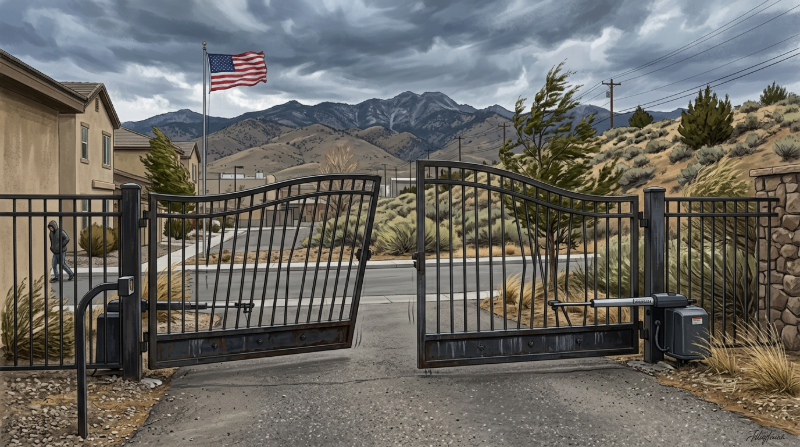
March through June are typically the windiest months in the Las Vegas Valley, with gusts often exceeding 40 mph. These strong winds can cause significant property damage, and we tend to see an increase in emergency electric gate repairs.

This seasonal increase in wind activity is primarily due to atmospheric transitions as the region shifts from winter to summer patterns. During this period, the area is caught between receding winter systems and emerging summer systems, leading to heightened wind conditions.

Initial Assessment and Repair

Recently, A1 Fence LV was contacted by a general contractor to perform an automatic gate repair on a damaged electric gate. The gate had been previously serviced by another vendor, but the work was subpar, leading to repeated issues. Our team removed the gate, transported it to our shop, straightened it, added new hinges, and reconnected it to the column.​

The client had an existing gate operator—a brand we typically don’t service—but we agreed to reattach it without warranty, providing immediate gate operator troubleshooting to ensure the gate was operational while discussing long-term solutions.

Rapid Response to Subsequent Damage

About a month later, another windstorm caused the operator arm to detach again. The property owner, monitoring remotely, reached out to us early in the morning. We dispatched a crew within the hour to secure the property. Just another example of our rapid emergency gate repair service response.

Client Feedback

“The wonderful quality of service we received for my automated gates repair and my brand new gate construction/install/repair from A1 Fence and Gate was AMAZING! I was astounded by the speed at which they knew exactly the issues to address! I was blown away by the quality of service!”​
~ Simon Winthrop

Understanding Wind Damage

Las Vegas’s high winds can cause significant damage to electric gates, especially if they’re not properly installed or maintained. Common issues include misalignment, detached operator arms, and structural damage.​

emergency=electric-gate-repairs a-photograph-of-a-sturdy-black-electric-gate

​Can You Windproof an Electric Gate?​

Yes, windproofing your electric gate is not only possible but essential to minimize damage during high-wind events. Implement the following strategies to enhance your gate’s resilience:​

  • Regular Checkups: Schedule annual electric gate maintenance inspections to identify and address minor issues before they escalate due to strong winds. Contact A1 Fence LV to arrange these inspections and ensure your gate remains in optimal condition.​
  • Strong Gate Design: Opt for wind-resistant materials and designs, such as perforated panels, which allow wind to pass through, reducing pressure on the gate. We routinely assist business an homeowners in selecting and installing the most suitable gate design for your property.​
  • Storm Bracing Tools: Installing storm bracing can significantly strengthen your gate against high winds. These braces and supports are designed to distribute wind forces more evenly across the gate structure, reducing stress on individual components.
    This level of reinforcement is often overlooked but can be crucial in preventing damage during storms.​ Storm bracing isn’t limited to new installations; existing electric gates can also be retrofitted with these reinforcements. The process involves assessing the current gate structure and determining the appropriate bracing solutions that can be integrated without compromising the gate’s functionality. This retrofit enhances the gate’s ability to withstand high winds, extending its lifespan and reliability.​
    Give us a call to determine the best bracing solutions tailored to your gate system. We can assess your existing gate and recommend the appropriate storm bracing tools to enhance its wind resistance.
  • After Storm Checks: Conduct thorough inspections immediately after strong winds to detect and repair any damage promptly, preventing further complications. Reach out to A1 Fence LV for post-storm assessments and necessary repairs.​
  • Reinforce Gate Structures: Ensure gates are built with durable materials and reinforced to withstand strong winds. A1 Fence LV offers expertise in constructing robust gate structures designed to endure harsh weather conditions.​
  • Regular Maintenance: Schedule periodic inspections to identify and address potential issues before they escalate. A1 Fence LV provides comprehensive maintenance services to keep your gate functioning smoothly.​
  • Choose Reliable Operators: Invest in high-quality gate operators designed to handle environmental stressors. Additionally, ensure your access control system repair needs are addressed promptly to maintain optimal security.

By proactively implementing these measures, you can significantly reduce the likelihood of emergency electric gate repairs and ensure the longevity and functionality of your gate system.​

📘 Related: Learn more about electric gates with our Complete Guide to Automatic Gates, covering everything you need to know about gate types, safety, and smart installation.

Call A1 Fence LV for Emergency Electric Gate Repairs

With over 30 years of experience, A1 Fence LV specializes in installing and repairing fences and gates tailored to Las Vegas’s unique climate. Our team is dedicated to providing prompt, reliable, and professional service to ensure your property’s security and functionality.​

If you’re experiencing issues with your electric gate or want to safeguard against wind damage, reach out to Amy, for professional driveway gate service. Give her a call at 702.904.5998 or simply call the office at 702.504.0765. You can also submit a convenient Online Quote Request

​We’re here to help you protect your property with quality solutions and exceptional service.


source https://a1fencelv.com/emergency-electric-gate-repair-wind-damage/

Tuesday, April 1, 2025

Before You Install That Gate: What You Really Need to Know About Automatic Gate Safety

Automatic gates are one of those modern upgrades that just make life better.
They boost security, add convenience, and look pretty sharp while doing it.

But like any powered system, automatic gate safety comes with several important considerations — and knowing what to watch for can make all the difference. Whether you’re installing a new gate or just want to make sure your current one is up to par, this guide will walk you through the key safety features, potential risks, and simple steps to keep everything running smoothly and safely.

📘 Related: This post is part of our Complete Guide to Automatic Gates, covering everything you need to know about gate types, safety, and smart installation.

How Safe are Automatic Gates?

Automatic gates can be very helpful when installed and cared for properly. However, when there are issues or no safety checks, gates can cause serious injury or death. Understanding safety risks helps you prevent accidents and keeps everyone safe.

What the Numbers Say — and Why It Matters

According to U.S. government data, automatic gates have been linked to serious safety risks:

  • Between 1985 and 2001, 32 deaths happened from automatic gate accidents. Sadly, 20 victims were children.
  • From 1990 to 2000, around 25,000 people got hurt by automatic gates. About 9,000 of these injured people were kids younger than 15.
  • Each year, hospitals see more than 2,000 automatic gate injuries. Of these, around 800 are children with injuries to head, arms, neck, or hands.

A safety group study in 2019 found that over 90% of commercial automatic gates checked were unsafe because safety features weren’t working correctly.

What Are the Biggest Safety Risks with Automatic Gates?

Automatic gates have a few common safety issues. Being aware of them helps you avoid trouble.

Entrapment and Crushing Injuries

The main danger with automatic gates is getting trapped or crushed. This can happen because gates close automatically without stopping when something or someone is in the way. Smaller children are especially at risk because they might not notice the danger until it’s too late.

For example, in July 2023, a 63-year-old woman died in Michigan after being crushed by a workplace gate. In another sad incident, an 8-year-old boy in North Las Vegas lost his life this past May after getting trapped in an electronic gate.

Malfunctions and Technical Breakdowns

Automatic gates have electronic parts that can break down or malfunction if they’re not cared for properly. This can cause gates to close suddenly, move unexpectedly, or fail to stop correctly. In 2013, a girl in Florida was badly hurt and left with permanent brain injuries because a gate malfunctioned.

Unauthorized Access Concerns

Some gates open automatically or by remote control. If someone unauthorized gets access, they could use the gate incorrectly, increasing risk to themselves and others. Keeping gate controls secure can prevent accidents and injuries.

What Safety Features Should Automatic Gates Have?

Experts tell us three main safety features should always be part of automatic gates:

automatic gate safety
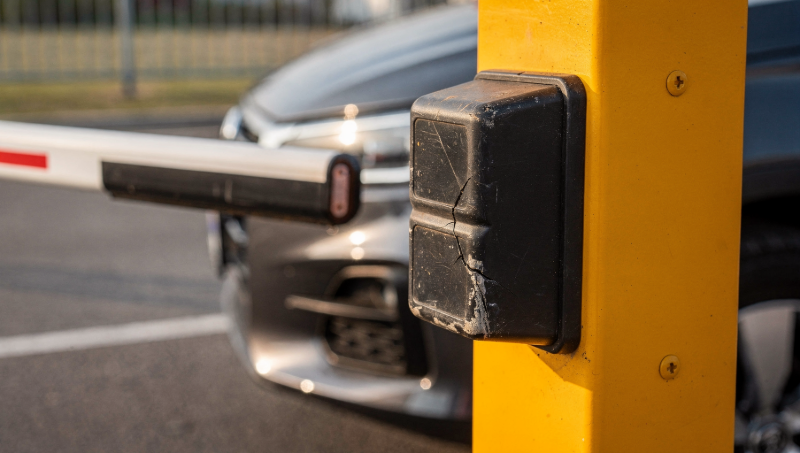
  1. Sensors and Reversing Mechanisms: These devices detect objects in the path and reverse the gate if needed to prevent injuries.
  2. Limiting Closing Force: Gates must not close with more force than necessary. This reduces the chance of crushing injuries.
  3. Emergency Stop Buttons: Clearly marked buttons or stops allow people to quickly stop gate movement in an emergency.

Important Safety Regulations You Should Know About

Gate makers and installers follow strict safety rules to protect people. The most common safety standard is called UL 325, which requires gates to have at least two separate safety systems to prevent someone getting trapped.

Another regulation, called the Supply of Machinery (Safety) Regulations 2008, must be followed by gate installers to meet legal safety guidelines.

To stay safe, gate experts recommend having automatic gates inspected and serviced at least two times a year.

A quick snapshot of required safety rules:

Safety Standard What it Requires Who Must Follow It
UL 325 Gates must have two ways of preventing entrapment Manufacturers and installers
Safety Regulations 2008 Gates must meet clear legal safety guidelines Installers and building owners

How to Use Automatic Gates Safely: Simple Tips

By following these easy steps, you can make automatic gates safer for everyone:

  • Hire Professionals: Always have qualified gate installers handle setup. Improper installation can make gates dangerous.
  • Do Regular Inspections: Get the gate checked every six months by a professional technician. They should test sensors, motors, and emergency stop buttons.
  • Educate Everyone: Teach family members, especially children, about automatic gate safety. Make sure they understand the dangers clearly and never play around gates.
  • Check Safety Sensors: Frequently test gate sensors on your own. Do a quick check weekly to see if the sensor properly reverses gate movement when something is placed in its path.
  • Report and Repair: Quickly report any unusual gate behavior like sudden movements, sensor malfunction, or odd noises. Stop using the gate immediately and call an expert to inspect it.
automatic gate safety

Here’s a simple safety checklist for gate users:

  • ✔ Regular professional maintenance every 6 months
  • ✔ Weekly self-inspection to test safety sensors
  • ✔ Educate everyone, especially kids, about gate dangers
  • ✔ Immediately report unusual gate behavior
  • ✔ Keep emergency stop buttons clear and easy to spot

Are Automatic Gates Safer Than Manual Gates?

Automatic gates are typically safer than manual gates if they are installed and maintained correctly. Good automatic gates use sensors and safeguards that manual gates don’t have. Properly maintained automatic gates stop or reverse if they sense any obstruction, greatly lowering risk.

However, automatic gates can be riskier if they’re installed poorly or have safety devices that aren’t working. Unlike manual gates, automatic gates continue moving on their own once they’re activated, so extra care is needed.

In short:

  • Automatic gates: Safer with correct installation, regular maintenance, and functioning safety devices.
  • Manual gates: Simple to use safely because they don’t move by themselves, but inconvenient and harder for people with mobility issues.

Automatic Gate Safety: Stay Safe and Enjoy Gate Convenience

Automatic gates offer comfort and security but come with real risks. Luckily, easy solutions keep these gates safe for everyone. To stay protected:

  • Always have a professional install and regularly inspect gates.
  • Make sure gates meet safety certifications and expert guidelines.
  • Teach kids and adults about automatic gate dangers clearly.
  • Immediately report and repair any gate issues or malfunctions.

By following these simple steps, you and your family can enjoy all the convenience of an automatic gate — with the confidence that it’s safe and working as it should.

Need help or have questions about your gate?
Whether you’re thinking about a new installation or just want to make sure your current setup meets today’s automatic gate safety standards, I’d love to help. Reach out through the office, and they’ll make sure your message gets to me.

Call (702) 504-0765 or request a quote online, and I’ll follow up to walk you through your options.
Let’s make sure your gate is safe, reliable, and built to last.


source https://a1fencelv.com/automatic-gate-safety/

Friday, March 21, 2025

Gate Longevity Explained

Understanding the lifespan of a gate requires examining several factors that influence its durability, along with the essential maintenance practices that ensure long-term functionality.

Factors Impacting Gate Lifespan

Gates can last anywhere from 10 to over 50 years, depending on key factors such as material, installation quality, environmental conditions, and usage frequency.

Factor Impact on Longevity
Material Steel gates, when properly maintained, withstand harsh weather conditions. Vinyl gates resist weather damage but may be limited in strength. Aluminum gates offer durability with minimal upkeep but are susceptible to dents.
Installation Proper installation ensures stability and longevity. Poor installation can lead to misalignment and premature wear.
Environmental Conditions Exposure to extreme weather, high humidity, or frequent temperature fluctuations can accelerate wear and tear.
Usage Frequency Gates subjected to frequent use experience more mechanical stress, potentially shortening their lifespan.

With proper maintenance, most gates last at least 10 years, while fences can endure for 20 to 50 years or longer (Gates Preventive Maintenance Manual).

Maintenance Practices for Extending Gate Longevity

Regular maintenance is essential to maximizing the lifespan of a gate. Implementing these best practices can significantly reduce wear and tear.

Routine inspections should be performed to check hinges, locks, and other components for signs of wear, rust, or misalignment. Lubrication of hinges and moving parts ensures smooth operation and prevents corrosion. Periodic alignment adjustments help maintain structural integrity and prevent undue stress on hinges and motors. Cleaning the gate regularly removes dirt, debris, and environmental buildup that could degrade materials over time. Addressing minor issues promptly helps prevent them from escalating into costly repairs.

By following these maintenance guidelines, property owners can extend the life of their gates and minimize operational disruptions.

Materials for Long-Lasting Gates

The lifespan of an automatic gate is largely determined by its construction material. Each option has distinct advantages and drawbacks, making it essential to choose the right material based on climate, aesthetics, and budget.

Steel: Durable and Weather-Resistant

Steel gates provide exceptional strength and longevity when properly maintained. However, they require regular upkeep to prevent rust.

Advantage Disadvantage
High durability Requires anti-rust treatment
Resistant to impacts Heavy, requiring robust support
Long lifespan with maintenance Can be expensive to repair

Aluminum: Lightweight and Corrosion-Resistant

Aluminum gates offer a rust-resistant alternative to steel. Their lightweight structure makes installation easier, but they are less impact-resistant.

Advantage Disadvantage
Lightweight and easy to install Less durable than steel
Corrosion-resistant More prone to denting
Available in various colors Higher initial cost than vinyl

Vinyl: Low-Maintenance and Weather-Resistant

Vinyl gates are highly resistant to weather damage and require minimal upkeep, making them a practical choice for residential applications.

Advantage Disadvantage
Minimal maintenance required Limited color options
Resistant to weather damage Lacks the strength of metal gates
Long-lasting under mild conditions May fade over time in direct sunlight

Selecting the right gate material ensures long-term functionality while complementing the property’s aesthetic and structural requirements.

Choosing the Best Gate Material

Choosing the appropriate material for a gate involves balancing cost, durability, and maintenance requirements. Below is a comparison of commonly used gate materials.

Mild Steel Gates: Cost-Effective and Versatile

Mild steel is an affordable yet durable material that can be customized for various designs. However, it requires protective coatings to prevent rust.

Feature Description
Cost Budget-friendly
Strength Provides reliable security
Customization Easily fabricated into different designs
Maintenance Requires periodic rust protection

Stainless Steel Gates: Corrosion-Resistant and Durable

For those prioritizing durability and minimal maintenance, stainless steel—particularly 316-grade—is an excellent choice.

Feature Description
Cost Higher than mild steel
Corrosion Resistance Exceptional, particularly in coastal or humid environments
Strength Strong and impact-resistant
Maintenance Requires occasional polishing

Wrought Iron Gates: Aesthetic Appeal and Strength

Wrought iron gates are ideal for those seeking an elegant yet durable option. However, they are more expensive and require periodic maintenance to prevent rust.

Feature Description
Cost Higher than other materials
Aesthetic Appeal Highly decorative and customizable
Durability Strong but requires maintenance
Availability Less common and may be more expensive to source

When selecting a gate material, consider factors such as budget, maintenance commitment, and the local climate to ensure long-term satisfaction.

Extending the Lifespan of Your Gate

Proper installation, quality components, and regular maintenance play a crucial role in extending a gate’s lifespan.

Premium Sliding Gate Hardware

Investing in high-quality sliding gate hardware enhances longevity by reducing friction, wear, and operational stress.

Hardware Type Benefits
High-Quality Components Reduces noise and mechanical issues
Durable Materials Withstands harsh environmental conditions
Precision Engineering Prevents operational failures

Professional Installation and Routine Inspections

A well-installed gate minimizes premature wear. Routine inspections should be conducted every six months to check for misalignment, lubrication needs, and overall condition.

Proper Sizing and Adjustment

Ensuring the gate is the correct height and length for its intended use prevents undue stress on components. Proper alignment prevents excessive wear, gate sensors should be calibrated for optimal functionality, and timely adjustments prevent premature deterioration. By incorporating these best practices, property owners can ensure their gate remains functional and aesthetically pleasing for years to come.

Expert Assistance and Consultation

Investing in high-quality materials, professional installation, and regular maintenance ensures that your gate remains in excellent condition. For expert guidance or installation services, contact us at 702-504-0765 for Las Vegas or 702-904-5998 for commercial projects in Reno and Sparks. For inquiries via email, reach out to admin@a1fencelv.com. Ensure your gate stands the test of time with professional expertise and quality solutions tailored to your needs.


source https://a1fencelv.com/gate-longevity-explained/