For commercial properties in Reno, improving the reliability of an aging gate operator means addressing the entire gate system, not just the motor. Reliability depends on how the operator, gate structure, supports, and connected controls continue to function together under Northern Nevada conditions, including temperature swings, wind, snow, and ongoing traffic.
When these systems have been in service for years, their day-to-day consistency directly affects access, coordination, and exposure to unplanned disruptions. A1 Fence LV works with commercial operators throughout Reno, bringing experience with how these systems actually perform over time in local conditions.
Why Aging Gate Operators Become Unpredictable in Commercial Settings
Property managers, facility leads, and general contractors often deal with gates that “usually” work but fail at the least convenient times. Deliveries get delayed. Shift changes create bottlenecks. Winter storms reveal weaknesses that were invisible during milder weather.
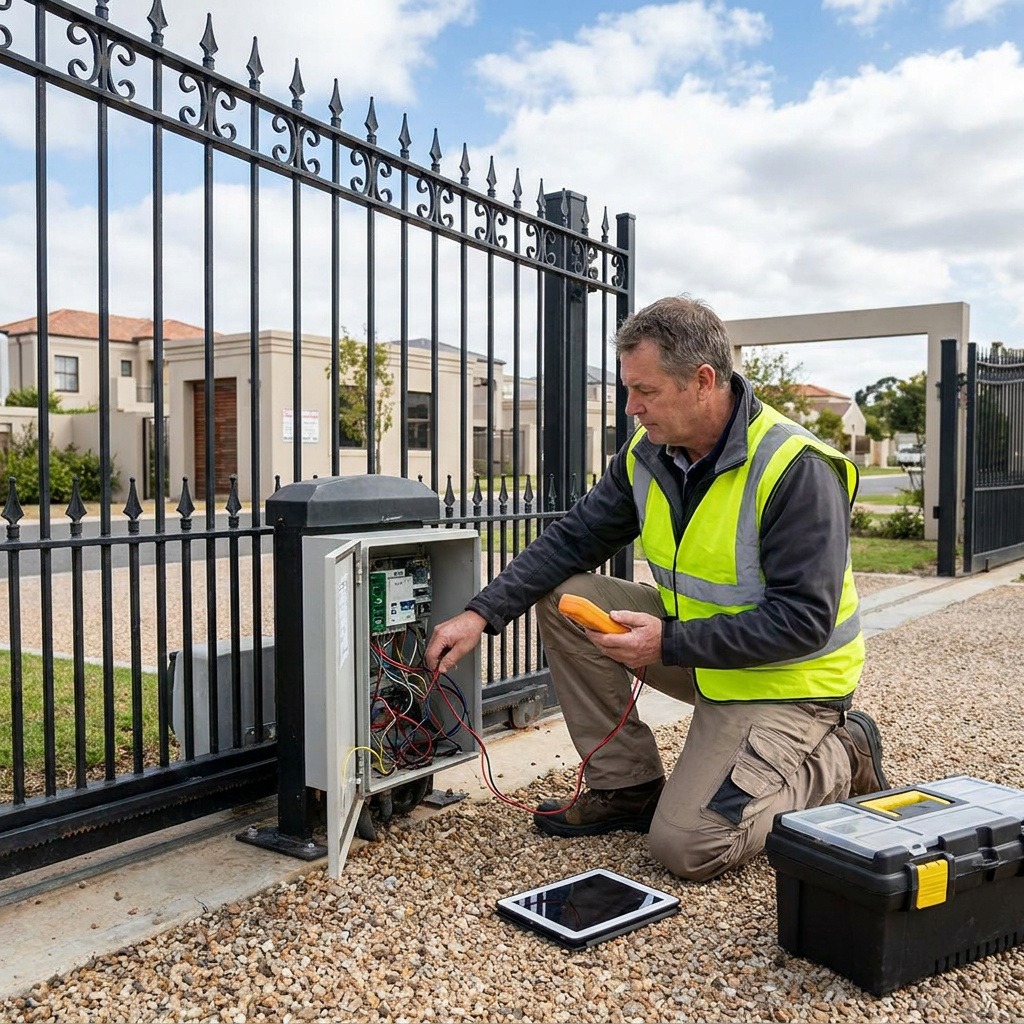
The frustration is familiar. An operator seems fine during normal checks, yet produces intermittent faults, stuck gates, or unreliable response to remotes and access devices. Tenants complain. Vehicles stack up. A malfunctioning gate creates concerns about safety or liability that were not on the radar.
What complicates planning is uncertainty about where the problem actually sits. Is it the operator? The gate itself? The controls? Site conditions?
That uncertainty makes it difficult to budget, schedule, or coordinate around an asset that should be predictable. For properties with high traffic or multi-tenant coordination, even occasional unreliability creates ripple effects that extend well beyond the gate itself.
How Gate Operators Function as Part of a Larger System
A gate operator is not a standalone motor. In practical terms, it works as part of a larger gate system that includes the physical gate, posts or supports, hinges or rollers, safety devices, and access controls. Each of these components influences how the operator performs and how long it continues to perform.
In Reno, aging looks different than in milder climates. Repeated cycles wear mechanical components. Seasonal ground movement can shift posts and throw off alignment. Exposure to snow, ice, and wind stresses both the gate and the operator in ways that accumulate over time.
Reliability issues often stem from the interaction of these factors, not from a single failed component. A gate that binds slightly because of a shifted post forces the operator to work harder. A worn hinge adds drag. Ice buildup at tracks or rollers creates resistance that the operator has to overcome.
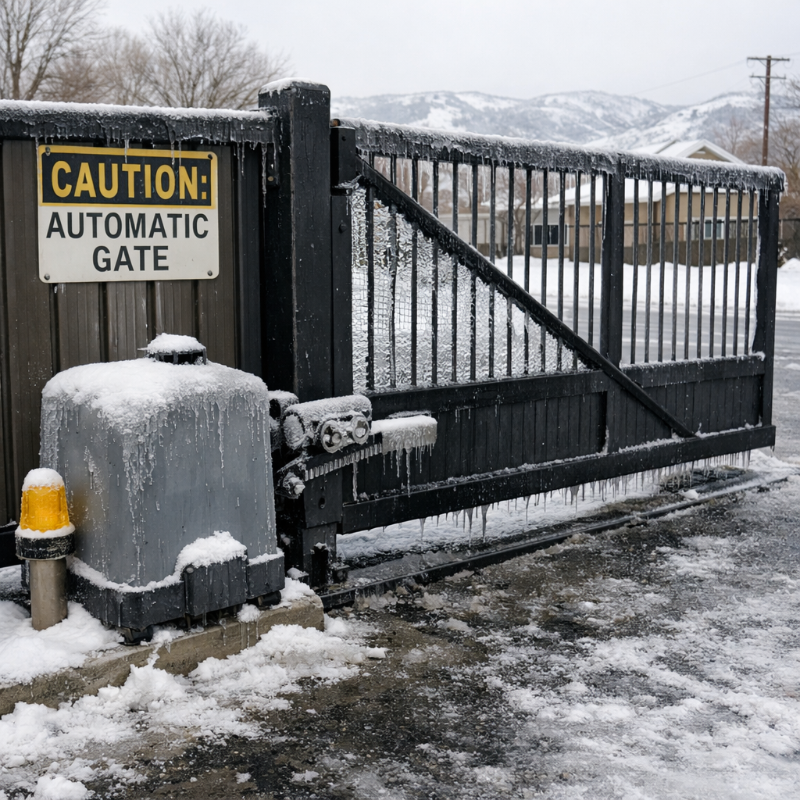
Changing site use also plays a role. Increased traffic volume, added access control devices, or integration with new security systems can stress an older operator in ways that were not present when it was first installed. An operator that was sized correctly for original conditions may struggle under current demands.
What Reliability Means for Commercial Stakeholders
For general contractors, developers, property managers, and facilities directors, gate operator reliability translates into specific outcomes. Predictable access for vehicles. Reduced downtime. Fewer disruptions to daily operations.
Reliability shows up in how consistently the gate completes full cycles under different weather conditions. It shows up in how often nuisance faults or intermittent failures interrupt normal use. A gate that works 95 percent of the time still creates problems when that 5 percent hits during a critical delivery window or a tenant move-in.
Gate condition and alignment directly affect operator strain and long-term performance. Under Reno’s wind and freeze-thaw conditions, a gate that is slightly out of alignment puts continuous stress on the operator. That stress accelerates wear and increases the likelihood of mid-cycle stops or trip events.
Cost over time is a practical concern. Repeat troubleshooting visits, schedule impacts, and potential damage from gates that bind, drag, or stop unexpectedly often add up to more than the initial installation cost. Reactive service becomes a recurring line item rather than an occasional expense.

Where gates interface with public areas or pedestrian paths, aging components can change risk profiles. Safety devices may not respond as expected. Cycle timing may become unpredictable. These changes matter for properties with compliance expectations or liability exposure tied to vehicular gate operation.
Common Misunderstandings About Aging Gate Operators
One misconception is that a gate operator should run indefinitely after installation with minimal attention. In practice, these are mechanical and electrical systems that require ongoing adjustments, lubrication, and component inspections over their service life.
Another misconception is that visible movement means the system is performing properly. A gate that opens and closes most of the time may still have underlying issues, including wear, alignment drift, or intermittent electrical faults, that are progressing toward failure.
Some property teams assume that only the operator unit matters. Gate structure, hardware wear, and environmental exposure receive less attention. In reality, the interaction between gate and operator often determines reliability more than the operator alone.
There is also confusion about capacity. An operator that initially seemed sized correctly may struggle under increased traffic loads or added devices. Changing site use patterns can shift performance expectations in ways that were not anticipated at installation.
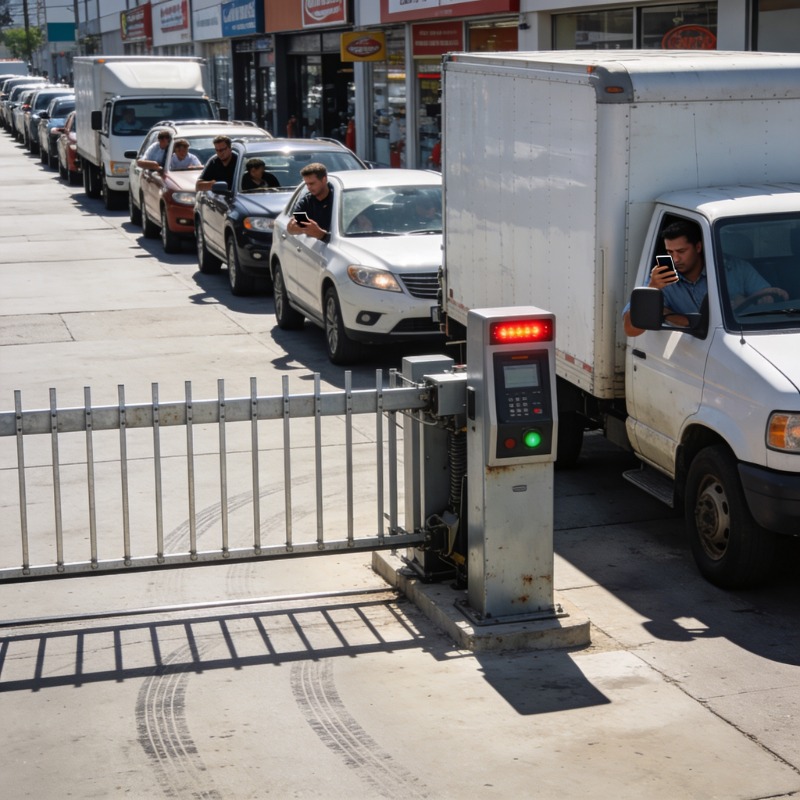
When recurring issues appear, the assumption is often that the problem must be electrical or located in the control box. In many cases, mechanical alignment or site conditions are driving failures. A worn roller, a shifted post, or ice accumulation at a track can produce symptoms that look like electrical faults but have mechanical origins.
How Reliability Issues Present in Day-to-Day Operation
On aging commercial gate operators in Reno, typical patterns emerge. Gates work reliably in mild weather but struggle or fault out during cold mornings, high winds, or snow accumulation. The operator may complete cycles normally for weeks, then produce a string of failures when conditions shift.
Issues can present as slower cycle times. The gate takes longer to open or close than it did originally. Incomplete cycles are common, where the gate stops short of full open or full close and requires manual intervention.
Intermittent stops mid-travel create unpredictability. The operator halts partway through a cycle, sometimes resuming on its own, sometimes requiring a reset. Inconsistent response to keypads, remotes, or card readers adds another layer of frustration.
Wear in hinges, rollers, or posts can cause the operator to work harder. That increased effort leads to more frequent shutdowns or trip events. The operator’s internal protection systems activate because the gate is resisting movement, even though the operator itself is still functional.
Property teams may see a pattern of repeat service calls where symptoms move around. One visit addresses a limit switch. The next addresses a control board. The one after that addresses alignment. This pattern often indicates that the system as a whole is degrading, not that individual components are failing in isolation.
Reframing Reliability for Long-Term Planning
Questions about improving reliability on aging gate operators typically arise when commercial property teams need a clear understanding of how their existing systems are performing under local conditions. General contractors coordinating phased development, property managers overseeing multi-tenant sites, and facilities directors responsible for access infrastructure all encounter these systems as part of broader operational planning.
Contractors like A1 Fence LV work with commercial fencing and gates across Reno and surrounding Northern Nevada communities. That work includes evaluating how gate operators interact with gate structures, site conditions, and access control systems in environments shaped by snow, wind, and freeze-thaw cycles.
For commercial properties in Reno, improving the reliability of an aging gate operator starts with understanding it as part of a full gate system exposed to specific local conditions. Expectations should shift from viewing operators as static equipment to viewing them as mechanical and electrical systems that change over time with wear, traffic, and weather.
Recognizing how reliability actually shows up in daily operations provides a more realistic basis for planning, budgeting, and coordination around these critical access points.If you are evaluating options for a current or upcoming project, you can request a quote online at https://a1fencelv.com/request-a-quote. For teams coordinating site plans or reviewing specifications, reach out by phone at 775-451-3328 or email zac@a1fencelv.com. Submitting a quote request online is the simplest starting point for properties ready to address gate operator reliability.
source https://a1fencelv.com/how-to-improve-the-reliability-of-aging-gate-operators-in-reno/

No comments:
Post a Comment