Commercial fence repairs should be scheduled as soon as damage or deterioration begins to affect security, functionality, or site compliance. Delaying repairs often compounds the problem, leading to larger failures that disrupt operations and increase costs.
For businesses in Reno and the surrounding Northern Nevada region, timing also depends on seasonal conditions and coordination with other site activities. Understanding when to act helps property managers and facilities teams maintain perimeter systems without unnecessary downtime. A1 Fence works with commercial clients throughout Northern Nevada on repair and maintenance planning that accounts for these realities.
Recognizing When Damage Requires Immediate Attention
Not all fence damage demands the same response timeline. Some conditions allow for planned repairs during scheduled maintenance windows, while others require immediate action to protect the site.
Structural failures that compromise security should be addressed without delay. A leaning post, a collapsed section, or a gate that no longer latches properly creates an access control gap. For facilities with compliance obligations or inventory protection requirements, even a short lapse in perimeter integrity can create liability exposure.
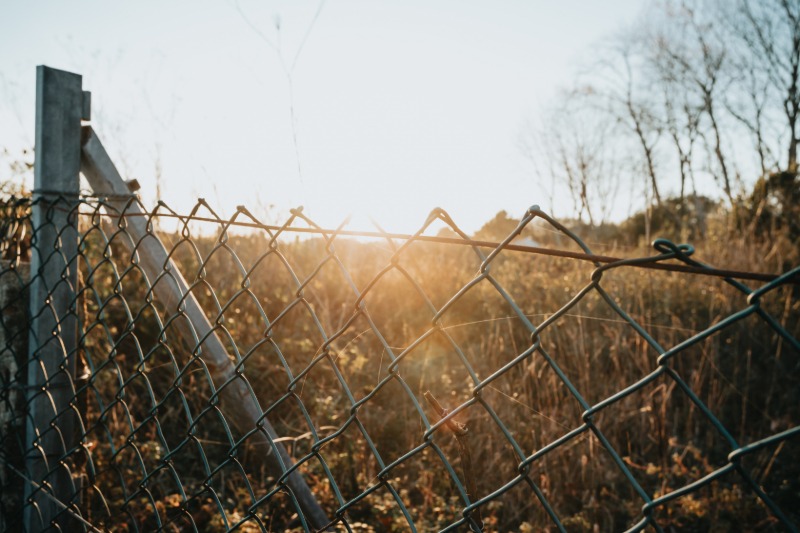
Damage that affects safety also moves to the front of the queue. Exposed fasteners, bent rails at pedestrian height, or unstable sections near walkways or loading areas present injury risks. Facilities directors and property managers typically prioritize these conditions to avoid incident reports and insurance complications.
Cosmetic issues and minor wear fall into a different category. Surface rust, faded coatings, or small dents may not affect function immediately. These conditions can often be grouped into a scheduled maintenance cycle rather than treated as emergencies. The key distinction is whether the damage affects the fence’s ability to do its job right now.
Understanding this difference allows teams to allocate repair budgets more effectively. Reactive emergency repairs typically cost more than planned work, both in direct expense and in operational disruption.
Seasonal Timing and Northern Nevada Conditions
Reno’s climate introduces specific considerations for scheduling fence repairs. Freeze thaw cycles, snow load, and wind exposure all affect when and how repairs can be completed.
Winter conditions often make repair work more difficult or impossible. Frozen ground complicates post replacement or reset work. Snow accumulation may hide damage that worsens before spring. Scheduling inspections and repairs before the first hard freeze allows teams to address known issues while conditions still permit efficient work.
Spring brings its own challenges. Soil that has shifted through winter may reveal post movement or footing failures that were not visible in fall. This is a common time for property managers to discover that a fence section has moved out of alignment or that gate hardware no longer functions correctly.

Summer and early fall typically offer the most predictable conditions for repair work. Dry soil, stable temperatures, and longer daylight hours support faster project completion. For businesses planning larger repairs or phased replacements, this window often provides the best execution reliability.
Wind exposure is a year round factor in Northern Nevada. High wind events can stress fence systems that are already weakened. A fence section showing early signs of fatigue may survive moderate conditions but fail during a wind event. Scheduling repairs before seasonal wind patterns intensify reduces the risk of unplanned failures.
Coordinating Repairs With Site Operations
Commercial fence repairs rarely happen in isolation. They affect access, traffic flow, and sometimes security protocols during the work window.
For general contractors and developers, fence repairs may need to align with other construction phases. A damaged perimeter section on an active job site may need temporary stabilization until a full repair fits the project schedule. Understanding the difference between a temporary fix and a permanent solution helps teams make realistic plans.
Property managers overseeing occupied commercial spaces face coordination challenges around tenant access and business hours. Scheduling repairs during low traffic periods minimizes disruption. For retail or hospitality properties, this often means early morning or overnight work windows.
Facilities directors at industrial sites may need to coordinate repairs with security teams, especially if the work affects access control systems or monitored zones. Advance communication with security personnel and any third party monitoring services prevents false alarms and ensures continuity of coverage during the repair window.
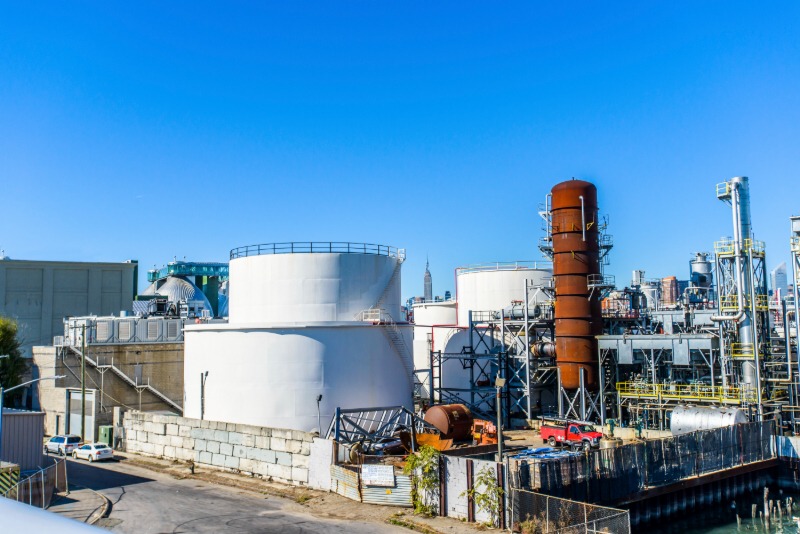
Phased repairs are sometimes the most practical approach. Rather than completing all work in a single mobilization, spreading repairs across multiple visits can reduce operational impact. This approach works well when different sections of a perimeter have different access constraints or when budget allows for incremental investment.
Planning for Recurring Maintenance Versus Reactive Repairs
The distinction between planned maintenance and reactive repairs affects both cost and operational stability.
Planned maintenance allows teams to budget for fence upkeep as a known expense. Regular inspections identify wear before it becomes failure. Scheduled touch up work on coatings or hardware extends service life. This approach keeps repair costs predictable and avoids emergency mobilization premiums.
Reactive repairs happen when something fails unexpectedly. The cost is often higher because the work cannot be scheduled efficiently. Emergency repairs may also require temporary measures while permanent solutions are sourced or fabricated.
For businesses with large perimeter systems or multiple properties, a maintenance schedule reduces long term expense. Inspection cycles tied to seasonal transitions catch damage early. Documented maintenance history also supports warranty claims and provides records for compliance audits.
The decision between reactive and planned approaches often depends on the age and condition of the existing fence system. Newer installations in good condition may need only annual inspections. Older systems or those exposed to heavy use may benefit from quarterly reviews.
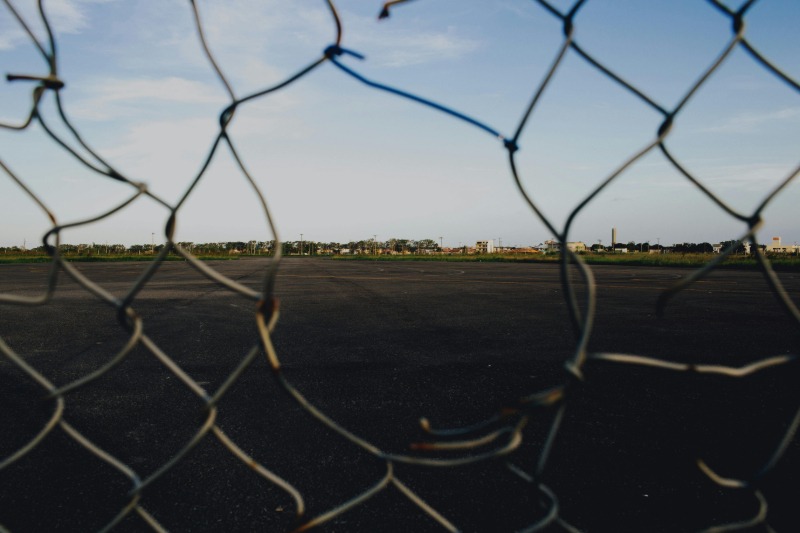
Connecting Repair Timing to Long Term Perimeter Planning
Repair decisions sometimes reveal larger questions about the fence system’s remaining service life.
A single post failure on an otherwise sound fence line is a straightforward repair. Multiple failures in the same section, or recurring issues with the same components, may indicate that the system is approaching the end of its useful life. At that point, repair costs begin to compete with replacement investment.
For property managers and facilities teams evaluating these tradeoffs, understanding the condition of the overall system matters. Repairs that restore full function and extend service life are worthwhile. Repairs that temporarily address symptoms without resolving underlying deterioration may not deliver long term value.
Northern Nevada conditions affect this calculation. Freeze thaw cycles stress concrete footings. Wind fatigue weakens welded joints over time. Soil movement can shift entire fence runs out of alignment. These factors accumulate gradually, and their effects may not be obvious until failure occurs.
A1 Fence has worked with commercial clients across Reno and Northern Nevada on both repair projects and system assessments. For teams weighing repair timing against broader perimeter planning, that context informs more practical decisions. Scheduling repairs promptly when damage affects security or safety protects operations now, while understanding the system’s overall condition supports better planning for what comes next.
If you are evaluating repair timing for a current project or reviewing the condition of an existing perimeter system, you can request a quote online at https://a1fencelv.com/request-a-quote. For direct questions, reach Lalo Flores at 775-451-3328 or lalo@a1fencelv.com.
source https://a1fencelv.com/when-should-a-business-schedule-fence-repairs/

No comments:
Post a Comment