Vinyl fence panels most often come loose when posts shift in the ground, rails lose their grip inside the post openings, or fasteners wear out over time. In Reno’s climate, these problems tend to surface after strong wind events or seasonal freeze-thaw cycles rather than appearing all at once.
Understanding what actually causes panels to separate helps homeowners recognize early warning signs and address the underlying issues before a small problem becomes a larger one. For more information about fence repair options in the Reno area, A1 Fence LV provides resources for homeowners dealing with structural fence concerns.
The Experience of Finding a Loose Vinyl Panel
Walking outside after a winter storm or spring thaw to find a vinyl fence section popped apart is a frustrating experience for Reno homeowners. Sometimes it shows up as a rail hanging out of a post. Other times, a corner section keeps coming loose in the same spot no matter how many times it gets pushed back into place.
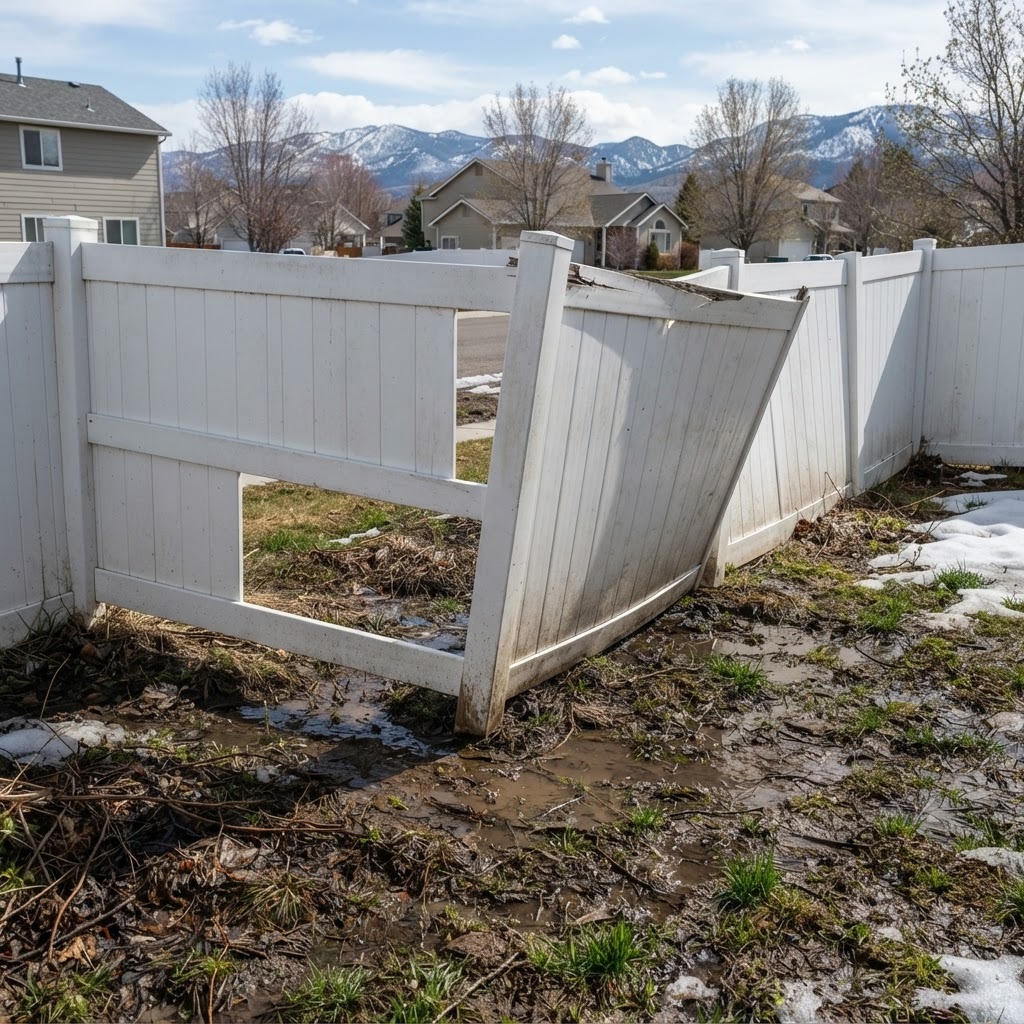
The immediate concerns are practical. A gap in the fence line affects privacy. Pets can slip through an opening that appeared overnight. There is often a nagging worry about whether the fence was installed correctly in the first place or whether something more significant is happening beneath the surface.
What makes these situations more confusing is that the vinyl itself often looks fine. The material is not cracked or broken. The pickets are still intact. Yet something has clearly shifted, and the panel no longer sits where it should.
This disconnect between the appearance of the material and the behavior of the structure is common with vinyl fencing. The visible symptom, a loose or separated panel, frequently traces back to movement and stress happening at the posts and rails rather than a failure of the vinyl boards themselves.
Homeowners who experience this pattern repeatedly, especially in the same section of fence, are usually dealing with an ongoing structural issue rather than a one-time event. Recognizing that distinction is the first step toward understanding what is actually happening with the fence.
How Vinyl Fence Panels Are Held Together
A vinyl fence section relies on a system of posts, rails, and vertical pickets or panels that interlock to form a continuous barrier. The posts are set into the ground, typically in concrete footings, and serve as the anchoring points for everything else. Horizontal rails slide into or lock into openings in the posts. The pickets or solid panels then fit into channels along the rails.
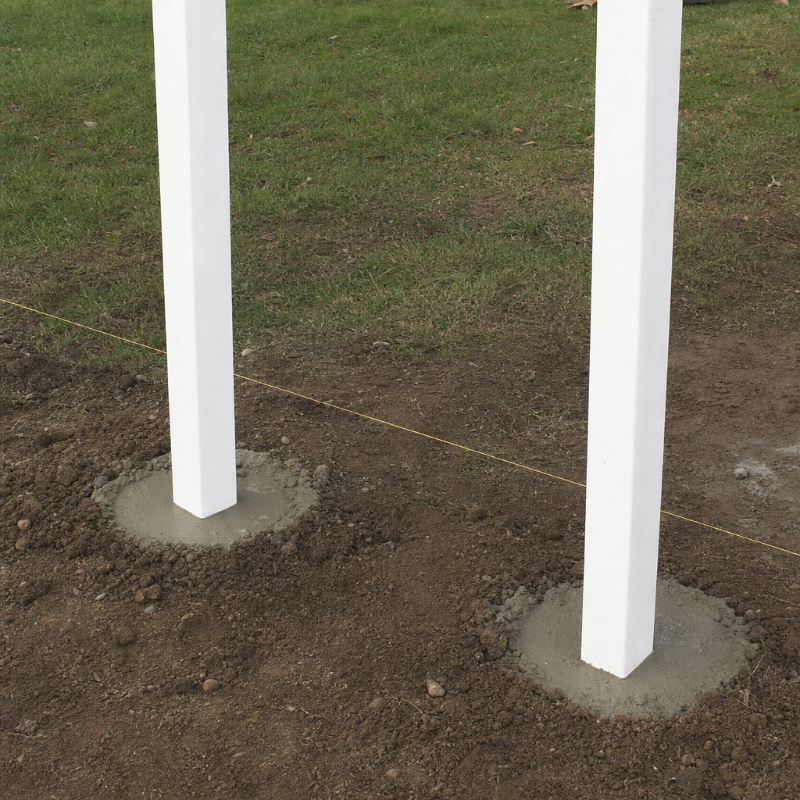
When this system is working correctly, the rails have enough engagement inside the posts to stay seated under normal conditions. The pickets rest securely in the rail channels, and the entire section remains rigid even when wind pushes against it.
The challenge is that this arrangement depends heavily on alignment and secure connections at every point. If a post tilts even slightly, the rail openings no longer line up correctly. When that happens, the rails may sit with less overlap inside the post pockets than the design intended. A rail that was supposed to have several inches of engagement might end up with only a fraction of that, leaving it vulnerable to slipping out under load.
Fasteners play a supporting role in many vinyl fence systems. Screws, tabs, clips, or notches help hold rails in position and prevent them from lifting out of the post openings. Over time, these fasteners can loosen, strip out, or pull free, especially in areas where the fence experiences repeated wind stress or where temperature swings cause the vinyl to expand and contract.
Corner posts and end posts tend to be more vulnerable than line posts because they handle lateral forces differently. A corner that catches wind from two directions may flex and shift more than a straight run, and the rails at those corners often have shorter engagement distances to begin with.
Why Posts Are Usually the Root Cause
When homeowners see a loose vinyl panel, the instinct is often to focus on the panel itself. The rail that slipped out or the pickets that dropped seem like the obvious problem. In most cases, though, the real issue is happening at the posts.
Post movement is a primary cause of loose panels in vinyl fencing. When a post shifts, tilts, or becomes loose in the ground, the geometry of the entire section changes. Rails that were seated correctly during installation can slip out of alignment. Gaps widen. Connections that were snug begin to work themselves free.
In Reno’s climate, several forces contribute to post movement over time. Freeze-thaw cycles cause soil to expand and contract, which can gradually shift even well-set posts. Wind exposure creates repeated lateral stress that pushes against the fence line. Soil movement from moisture changes affects how firmly the concrete footing grips the surrounding ground.
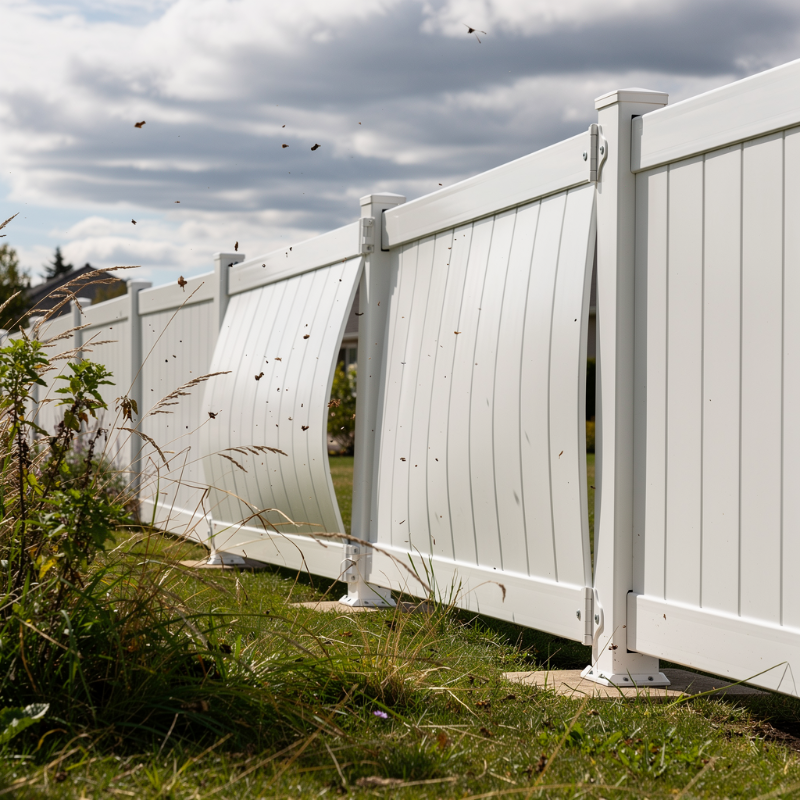
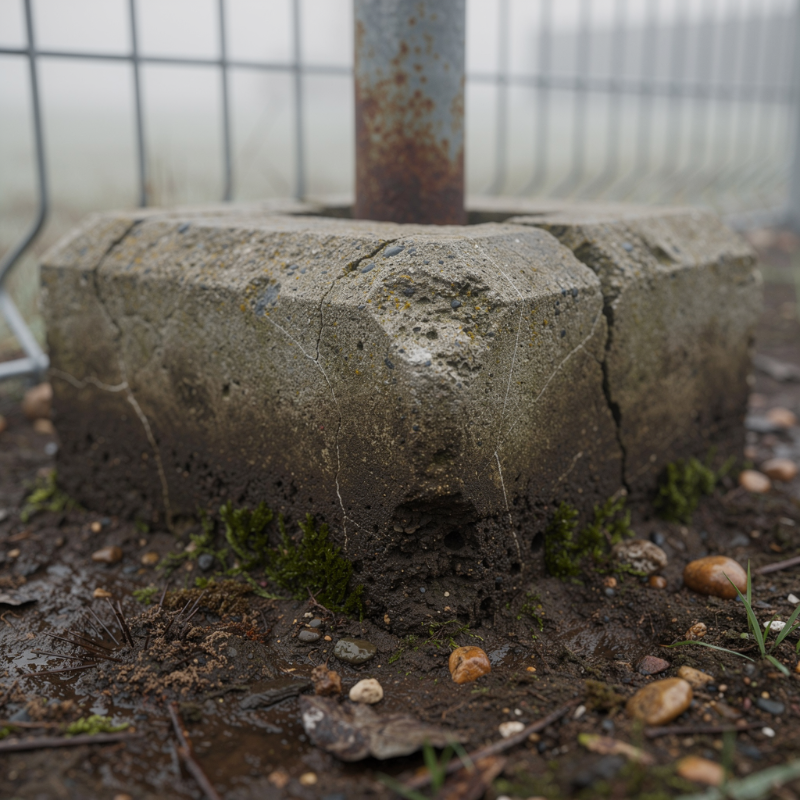
Concrete footings themselves can fail. When the concrete around a post cracks or breaks, the post loses its anchor and begins to move independently. A footing that looked solid at installation may develop problems years later as it absorbs moisture, freezes, and fractures from within.
A single compromised post can affect multiple panels. If a corner post leans, the rails on both adjoining sections may lose their engagement. If a line post shifts forward, the panels on either side may begin to separate at different rates. What appears to be several loose panels might trace back to one post that is no longer holding position.
This is why checking post stability matters more than focusing only on the loose panel. A rail that keeps slipping out will continue to slip out until the underlying post issue is addressed.
Fastener Wear and Connection Failure
Beyond post movement, the connections that hold vinyl fence components together can weaken over time. Screws, clips, tabs, and notches all experience wear, and that wear accumulates through years of wind stress, temperature variation, and general use.
Vinyl expands and contracts with temperature changes. In a seasonal climate like Reno, where summer heat and winter cold create a wide temperature range, this expansion and contraction happens repeatedly throughout the year.

Each cycle puts stress on the fasteners holding rails and pickets in place. Over time, screws can loosen in their holes. Plastic tabs can fatigue and crack. Notches that once locked securely can wear smooth.
Wind is particularly hard on fence connections. Every gust that pushes against the fence creates movement at the joints. Panels flex. Rails shift slightly in their pockets. Fasteners absorb that movement. In areas with regular wind exposure, this repeated stress can loosen connections faster than in sheltered locations.
Once a few connections lose their grip, the problem tends to spread. A rail that is no longer secured at one end will move more freely, which puts additional stress on the remaining fasteners. Pickets that were held firmly by a tight rail may begin to rattle or drop out when the rail loosens. A single failed clip can be the starting point for a section that progressively comes apart.
Warping and material fatigue also play a role. Vinyl panels can deform from prolonged sunlight exposure and temperature extremes.
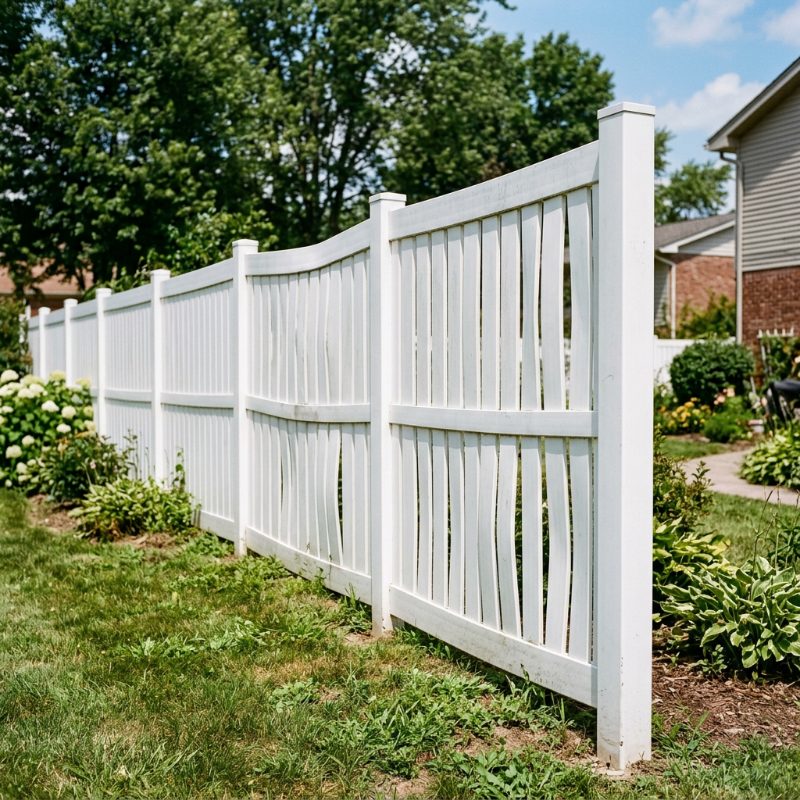
A panel that has warped slightly may no longer fit as tightly in the rail channels. That reduced fit makes it easier for pieces to come loose, even when the fasteners are still intact.
Common Misunderstandings About Loose Vinyl Panels
Several assumptions tend to lead homeowners in the wrong direction when dealing with loose vinyl fence panels.
One common belief is that the problem is only with the panel itself. Homeowners often focus on the rail that popped out or the pickets that dropped and overlook the post that caused the misalignment in the first place. Replacing a rail or reseating a panel without checking the post stability often results in the same panel coming loose again.
Another widespread assumption is that vinyl fences are maintenance free. While vinyl does not rot, rust, or require painting, the structural components of a vinyl fence still respond to environmental forces. Posts, fasteners, and connections all experience stress from wind, soil movement, and temperature changes. Over time, that stress can cause panels to loosen even on a fence that looks clean and undamaged on the surface.
Some homeowners blame loose panels entirely on cheap materials. Material quality does matter, but loose panels are often tied more closely to installation depth, footing condition, and alignment than to the grade of vinyl used. A well-installed fence with mid-range materials may hold up better than a poorly installed fence with premium components.
There is also a tendency to expect rails to hold in place through friction and gravity alone. In reality, short rail overlaps and corner conditions frequently need additional mechanical securement to stay tight under wind load. Systems that rely only on a friction fit may perform well initially but become vulnerable as the structure settles and shifts over time.
These misunderstandings can lead homeowners to underestimate the role of posts, foundations, and structural alignment in keeping vinyl panels secure. Recognizing that a loose panel is usually a symptom rather than the root problem helps set more realistic expectations about what it takes to keep the fence stable.
Connecting the Cause to Real-World Conditions
For homeowners in Reno and surrounding Northern Nevada communities, understanding why vinyl panels come loose means recognizing how the local climate interacts with fence structures over time.
Seasonal ground movement is a significant factor. Freeze-thaw cycles can shift posts gradually over multiple winters. A fence that was perfectly plumb at installation may develop a noticeable lean after several years of soil expansion and contraction. That lean, even if slight, changes how rails sit in the posts and can lead to panels separating.
Wind exposure varies across different parts of a property and different neighborhoods. Sections of fence that catch prevailing winds experience more stress than sheltered areas. Corners and end posts handle forces differently than line posts. Over time, the sections that take the most wind load tend to be the ones where panels come loose first.
The age of the concrete footings matters as well. Footings that have absorbed moisture and frozen repeatedly may develop internal fractures that are not visible from the surface. A footing that appears solid can still be losing its grip on the post.
Questions about loose vinyl panels commonly come up when homeowners contact fence repair contractors about leaning lines, cracked footings, or sections that keep coming apart in the same spot. In areas of Reno that see more wind or noticeable freeze-thaw movement, these concerns are especially common.
A loose vinyl panel is often the visible result of how the fence has been handling real-world conditions over time. The posts, rails, and fasteners have been absorbing forces from wind, temperature, and soil movement season after season. When a panel finally slips out or separates, it is usually the end point of a process that has been building for months or years.
What This Means for Reno Homeowners
A vinyl fence panel coming loose is rarely a random event. It reflects how the structure has been responding to Reno’s seasonal conditions, including wind, freeze-thaw cycles, and soil movement. The panel itself is usually not the problem. The posts, rail engagement, and fastener condition are what determine whether sections stay tight or gradually work themselves apart.
Homeowners who notice recurring loose panels in the same area, widening gaps between rails and posts, or visible lean in the fence line are typically seeing signs of ongoing structural movement rather than a one-time failure. Addressing these patterns means looking beyond the surface and understanding what is happening at the posts and footings.
A1 Fence LV works with Reno homeowners on fence repair projects that involve post stability, rail alignment, and panel reattachment in seasonal conditions. For property owners dealing with loose vinyl sections or trying to understand why a fence keeps coming apart, submitting a quote request online at https://a1fencelv.com/request-a-quote is the simplest starting point. You can also call 775-451-3328 or email joe@a1fencelv.com to discuss your situation and walk through practical next steps.
source https://a1fencelv.com/what-causes-vinyl-fence-panels-to-come-loose/

No comments:
Post a Comment