Reno’s seasonal climate creates specific challenges for residential fences that homeowners should understand before planning repairs or new installations. The combination of freeze-thaw cycles, snow accumulation, wind exposure, and temperature swings throughout the year puts consistent stress on fence posts, panels, and fasteners. Knowing which conditions cause the most wear helps property owners make better decisions about materials, maintenance timing, and when to call in a professional for fence and gate repair.
This article breaks down the primary weather factors that lead to fence damage in Northern Nevada and explains what actually happens to fence structures when exposed to these conditions over time.
Freeze-Thaw Cycles and Ground Movement
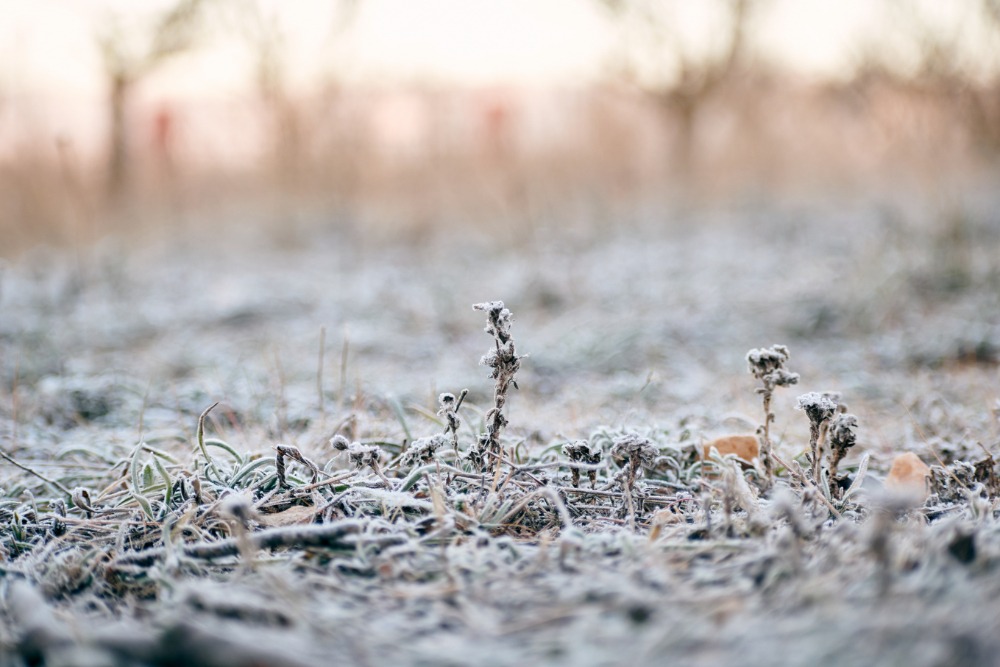
The repeated freezing and thawing of soil in Reno and surrounding Northern Nevada communities is one of the most damaging forces a fence will face. When moisture in the ground freezes, it expands. When it thaws, the soil contracts. This cycle repeats dozens of times throughout a typical winter season.
Posts set in the ground experience this movement directly. Over time, the expansion and contraction can push posts upward or shift them out of plumb. This is sometimes called frost heave, and it affects wood, metal, and vinyl posts alike.
Once a post shifts, the panels or pickets attached to it no longer sit level. Gates become harder to open and close. Hardware pulls loose from the surrounding material.
The depth of the post setting matters here. Posts that were not set deep enough during installation are more vulnerable to this movement. Concrete footings help anchor posts, but even concrete can crack or shift if the surrounding soil moves significantly.
Homeowners often notice the results of freeze-thaw damage in spring. Leaning sections, gaps between panels, and gates that drag on the ground are common signs.
Addressing this kind of damage early prevents it from spreading to adjacent sections. Waiting too long can turn a single shifted post into a structural problem across an entire fence line.
Wind Exposure and Panel Stress
Reno sits in a high desert valley where wind events are common, especially during seasonal transitions. Strong gusts put lateral pressure on fence panels, and over time, this pressure loosens fasteners and stresses connection points.
Solid panel fences catch more wind than designs with gaps or slats. Privacy fences, for example, act almost like sails during a windstorm. The more surface area exposed to the wind, the greater the load transferred to the posts and rails.
Fasteners bear much of this stress. Nails and screws work loose as the fence flexes. Brackets pull away from posts. Rails separate from panels. Repeated wind exposure also causes cumulative fatigue in the materials themselves. Wood fibers weaken at stress points. Metal components develop micro-cracks. Vinyl can become brittle over time, especially when combined with UV exposure.
After a significant wind event, it is worth walking the fence line to check for loose sections, leaning posts, or hardware that has pulled free. Catching these issues early allows for targeted repairs rather than full panel replacement.
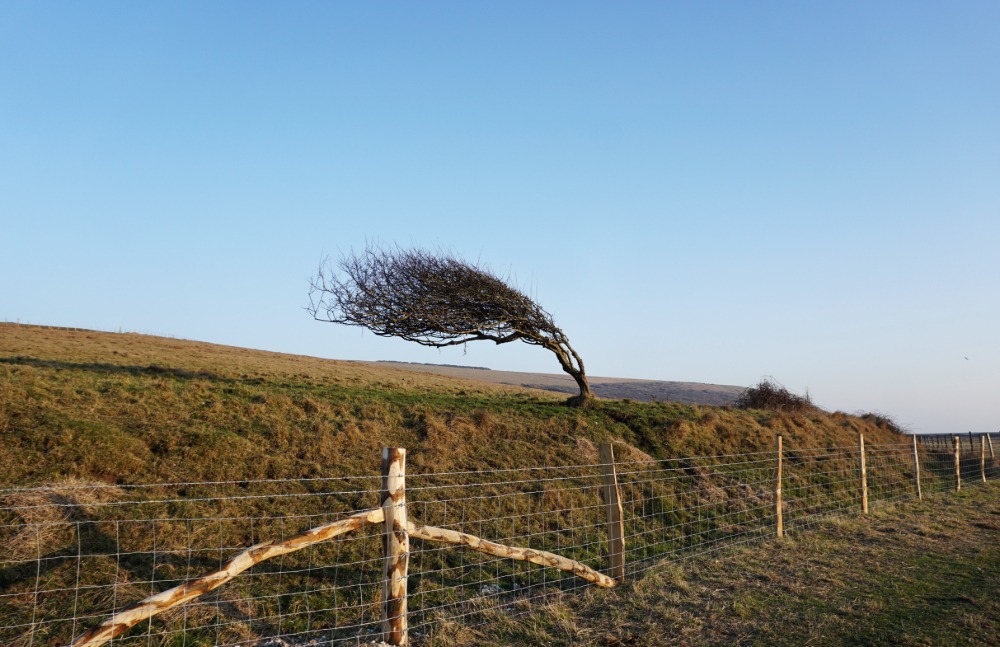
In areas with consistent wind exposure, fence design choices matter. Some homeowners opt for semi-private styles that allow airflow through the fence while still providing a visual barrier. This reduces the wind load and extends the lifespan of the structure.
Snow Load and Moisture Accumulation
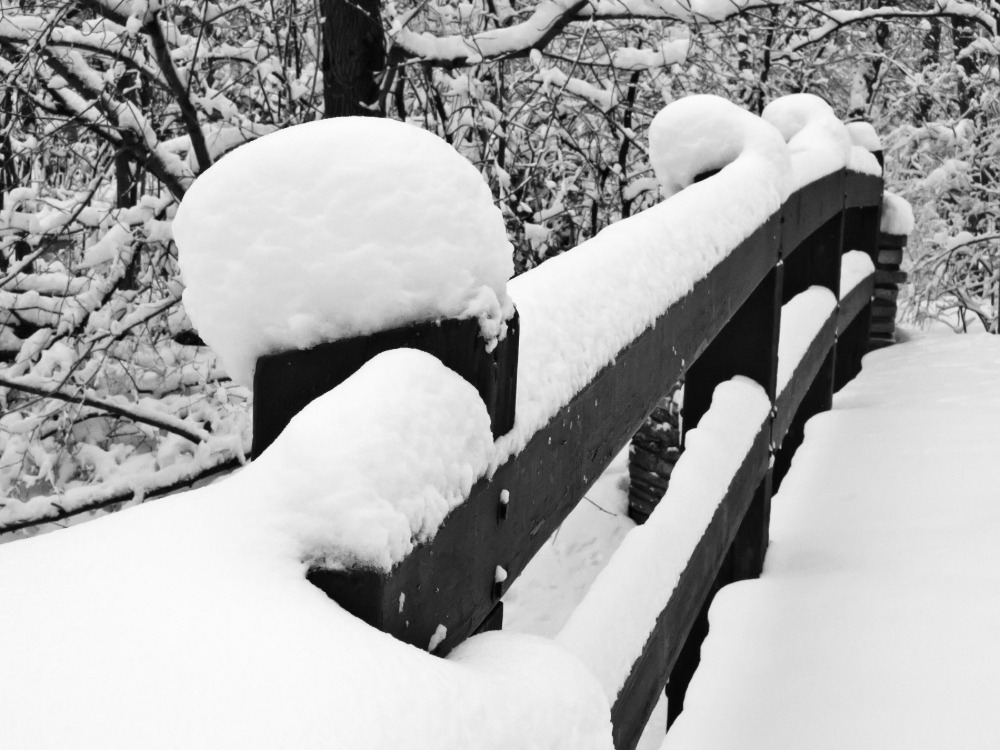
Snow accumulation creates two separate problems for fences. The first is weight. Heavy, wet snow piling against a fence adds load that the structure was not necessarily designed to bear. Panels can bow, rails can crack, and posts can shift under sustained pressure.
The second problem is moisture. As snow melts, water soaks into wood, seeps into joints, and pools around post bases. This prolonged moisture exposure accelerates rot in wood fences and can cause corrosion in metal components.
Horizontal surfaces are particularly vulnerable. The tops of posts, the upper edges of pickets, and flat rails all collect moisture. Without proper drainage or protective treatment, these areas deteriorate faster than vertical surfaces.
Fences installed close to drip lines or in areas where snow drifts accumulate face higher moisture exposure. Low spots in the yard where meltwater pools also create risk.
Clearing heavy snow from fence lines when practical reduces the load on the structure. Ensuring that fence bases have adequate drainage helps limit standing water contact.
Material selection plays a role here as well. Some materials handle moisture better than others, but no material is entirely immune. Regular inspection after the snow season helps identify moisture damage before it spreads.
Seasonal Temperature Swings and Material Expansion
Reno’s climate includes significant temperature variation, sometimes within a single day. Summer highs and winter lows can differ by more than 80 degrees over the course of a year. Daily swings of 30 to 40 degrees are common in spring and fall.
All fence materials expand and contract with temperature changes. Wood absorbs and releases moisture as humidity and temperature shift, causing boards to swell and shrink. Vinyl expands noticeably in heat and contracts in cold. Metal expands and contracts as well, though typically less than vinyl.
This constant movement stresses joints, fasteners, and connection points. Over years, the cumulative effect loosens hardware and creates gaps.

Gates are particularly sensitive to these changes. A gate that swings freely in summer may drag or stick in winter. Latches that align perfectly in one season may miss their catches in another.
Allowing for expansion and contraction during installation helps reduce this stress. Leaving small gaps at panel connections, using fasteners that allow some movement, and choosing hardware designed for temperature variation all contribute to longer service life.
Homeowners who notice seasonal changes in gate operation or panel fit are seeing the effects of thermal expansion. Minor adjustments to hardware or latch positioning can often resolve these issues without major repairs.
Working With a Reno Fence Contractor
Understanding how Reno’s weather affects fence structures helps homeowners plan maintenance and recognize when repairs are needed. Freeze-thaw cycles, wind, snow, and temperature swings all contribute to wear over time, and each creates distinct signs of damage.
For property owners in Reno and surrounding Northern Nevada communities, working with a contractor who understands these local conditions makes a difference. A1 Fence LV brings decades of experience to residential fence repair and installation, with familiarity in how seasonal climate affects long-term fence performance.
If you are evaluating repairs or considering how to extend the life of an existing fence, you can request a quote online at https://a1fencelv.com/request-a-quote, call 775-451-3328, or email ed@a1fencelv.com. Submitting the online request form is the simplest starting point for property owners ready to discuss their situation and review practical next steps.
source https://a1fencelv.com/what-weather-conditions-cause-the-most-fence-damage-in-reno/

No comments:
Post a Comment