The best time of year to install commercial fencing in Reno is when weather conditions, ground readiness, and project scheduling align to support proper post setting, footing installation, and inspection without disrupting other site work.
In practice, this means selecting a window where the ground is workable, access remains reliable, and the fence can be integrated cleanly into the broader construction or facility plan. For commercial stakeholders coordinating with a Reno fence contractor, understanding how seasonal factors interact with project logistics matters more than identifying a single ideal month on the calendar.
Why Timing Creates Uncertainty for Commercial Projects
Commercial owners, property managers, and general contractors often approach fence installation looking for a definitive answer about when to schedule the work. The reality is more complicated. Weather delays, frozen ground, and conflicts with grading, paving, and tenant move-ins create friction that a simple calendar answer cannot resolve.
Security requirements may be immediate, but site conditions do not always cooperate. A project may need a secure perimeter before other trades can begin, yet excavation for footings may be impractical due to frost depth or saturated soil. The result is uncertainty about whether to wait for better conditions, push forward in marginal weather, or rework the schedule around other scopes.

Many teams are also unsure how much timing actually affects long-term durability. There is often a question of whether seasonal installation choices will create problems later, particularly after exposure to Reno’s snow, wind, and freeze-thaw cycles. These concerns are valid, but they are easier to address when timing is understood as a coordination problem rather than a search for one perfect month.
The pressure to define a single best time can lead to decisions that prioritize the calendar over actual site readiness. When that happens, the fence may go in during conditions that compromise footing depth, cure time, or alignment, all of which influence how the system performs over subsequent seasons.
How Seasonal Conditions Affect Installation Quality
Commercial fencing in Reno is a field installation that interacts directly with the ground, concrete, and exposed hardware. Posts and footings require sufficient depth and proper curing to handle the stress of temperature swings and moisture movement. Gates need stable foundations and clearances that account for ground shift over time.
These requirements do not disappear in different seasons, but they become harder or easier to achieve depending on temperature, moisture, and access. In winter, frozen ground can limit excavation depth or require additional effort to reach stable soil. Concrete curing slows significantly in cold temperatures, which can affect how quickly the site can support loads or proceed to the next phase.
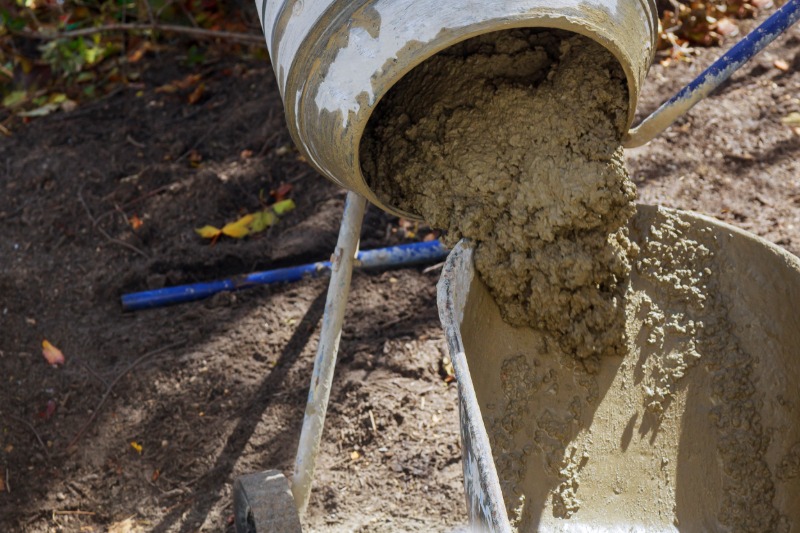
In late spring and summer, ground conditions are generally more favorable for digging and curing, but heat and wind introduce their own constraints. Dry conditions can make compaction more difficult, and high winds may affect panel handling and crew safety. Late summer and early fall often offer a balance of workable temperatures and stable ground, though this window can also coincide with peak construction activity and tighter scheduling across trades.
For commercial sites, fence timing is also constrained by when grading is complete, utilities are in place, and access routes are defined. The best time of year is essentially the intersection of climate conditions with project readiness. A fence scheduled for installation before grading is finished may need to be moved or modified. One installed after paving may require cutting into finished surfaces or working around restricted access.
What Matters Most for Long-Term Performance
For commercial stakeholders, the timing of fence installation matters because it influences reliability, lifespan, and overall project efficiency. Work completed when ground conditions support proper footing installation is more likely to stay plumb and functional through Reno’s snow, wind, and temperature swings.
If timing forces work into poor conditions, there is higher risk of post movement, premature wear on gates, and more frequent adjustments. Footings that do not cure properly may shift during freeze-thaw cycles, creating alignment problems that compound over time. Gate hardware under stress from an unstable foundation will require more frequent service.
Scheduling also affects long-term cost by influencing how often work areas are disturbed or redone to accommodate other scopes. A fence installed too early may need to be partially removed or protected during subsequent grading or paving. One installed too late may compress the work into a short window, increasing exposure to weather delays or inspection bottlenecks.
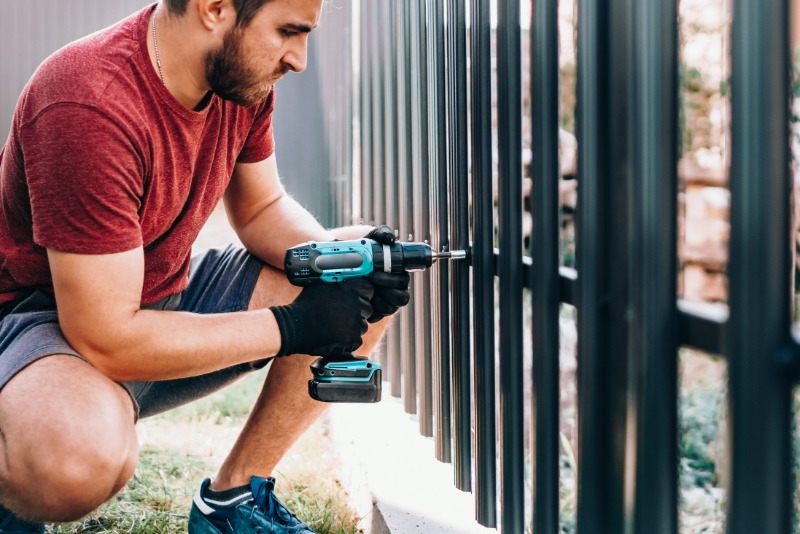
From a usability standpoint, placing fencing at the wrong point in the project sequence can complicate access for crews, deliveries, or tenants. Security boundaries that go up before staging areas are defined may need modification. Boundaries that go up after operations begin may disrupt workflow or create liability concerns during the transition.
Appearance is typically secondary in commercial applications, but timing does affect how cleanly the fence integrates with finished grades, paving, and adjacent structures. A fence installed before final grades are set may end up with inconsistent gap heights or drainage issues at the base.
Common Misunderstandings About Seasonal Timing
Many decision makers still approach fence timing as if it were a minor item that can be dropped in at the end of a project without consequence. This assumption treats fencing as a finish scope rather than a coordination scope, and it often leads to compressed timelines or installation in unfavorable conditions.
Others assume that because fencing is an outdoor trade, it can be executed the same way in every month. The expectation is that posts and panels will perform identically regardless of whether the ground was frozen, saturated, or fully workable at the time of installation. In practice, installation conditions influence how the system responds to stress over time.
There is also a tendency to believe that once installed, a commercial fence will perform the same way regardless of when in the year it went in. This overlooks how footing depth, cure time, and alignment at installation affect long-term response to freeze-thaw cycles, wind load, and gate operation. A fence that appears correct at turnover may show problems after its first full winter.
Another common assumption is that there is a single perfect month for installation. In reality, the best timing depends on the specific project, site conditions, and coordination requirements. A window that works well for one site may be problematic for another based on soil type, exposure, or sequencing with other trades.
How Timing Issues Show Up on Commercial Sites
On the ground, timing issues manifest in several ways. Fence crews may find themselves working around mud, frozen soil, or extreme heat. General contractors may struggle to sequence posts and panels around utility work, curbs, and asphalt paving.
In some projects, fencing is installed early to establish security, and then portions must be modified or reopened to allow heavy equipment access. This adds cost and disrupts the perimeter’s integrity during critical construction phases. In others, fencing is delayed until near turnover, compressing work into a short seasonal window. When that window coincides with early winter conditions or inspection backlog, the impact of weather or scheduling friction increases.
Over time, fences installed without regard to seasonal conditions may show more movement at posts, gate sag, or hardware issues after exposure to Reno’s winters and wind.
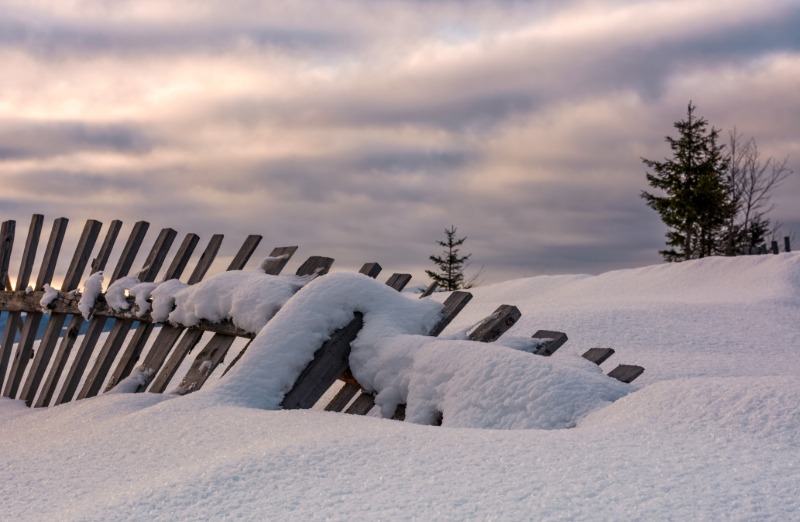
These problems lead to more frequent repair needs and higher lifecycle costs. What appeared to be a scheduling convenience at installation becomes a maintenance burden over subsequent years.
Coordination failures also create rework. A fence line that does not account for final grade elevations may need adjustment. Posts set before underground utilities are fully mapped may conflict with later work. These issues are easier to prevent through careful timing than to correct after installation.
Connecting Timing to Project Planning in Northern Nevada
The calendar alone does not determine whether a commercial fence in Reno will perform well over time. What matters more is how seasonal conditions, ground readiness, and project sequencing align when the work is performed.
Understanding timing in this way helps set more realistic expectations about when fence installation makes sense and how it will respond to the snow, wind, and temperature swings that are normal in Northern Nevada. For general contractors, developers, and property managers coordinating commercial projects, this means treating fence work as a scope that requires early planning rather than last-minute scheduling.
A1 Fence LV operates within these coordination realities when working with commercial clients throughout Reno and surrounding Northern Nevada communities. The company brings experience from projects that require alignment between weather windows, site readiness, and the sequencing demands of multi-trade construction environments.
If you are evaluating options for a current or upcoming project, you can request a quote online at https://a1fencelv.com/request-a-quote. For teams coordinating site plans or reviewing specifications, reaching Lalo Flores at lalo@a1fencelv.com or 775-451-3328 is a practical starting point for discussing timing and scope.
source https://a1fencelv.com/what-is-the-best-time-of-year-to-install-commercial-fencing-in-reno/

No comments:
Post a Comment