Commercial fence lifespans vary significantly across chain link, steel, vinyl, and wood, and real-world performance depends more on how each material responds to corrosion, UV exposure, wind, freeze-thaw cycles, and day-to-day use than on the material category alone. In typical commercial applications, galvanized chain link and properly coated steel frameworks tend to deliver longer functional service than vinyl and wood, particularly in climates like Northern Nevada where seasonal extremes stress every component of a perimeter system.
Understanding how these materials actually behave over time allows general contractors, developers, and property managers to set realistic expectations about maintenance, repair timing, and long-term costs. A1 Fence LV works with commercial stakeholders across Reno and surrounding communities on installations and repairs, and these material performance patterns show up consistently across project types and site conditions.
Why Lifespan Uncertainty Creates Planning Challenges on Commercial Sites
Commercial stakeholders responsible for perimeter systems often face genuine uncertainty about how long a new or existing fence will actually perform to specification. This uncertainty becomes more pronounced when different materials are each marketed as low maintenance or long lasting without clear context for a specific climate, use level, or project type.
The confusion is understandable. A vinyl fence brochure may emphasize that the material never needs painting. A steel specification may highlight structural strength. A wood option may be positioned as economical and visually appropriate for certain applications. Each of these statements can be accurate in isolation, but none of them answers the question that matters most to someone managing a commercial property: how will this fence actually hold up under the conditions it will face, and when should I expect to address repairs or replacement?
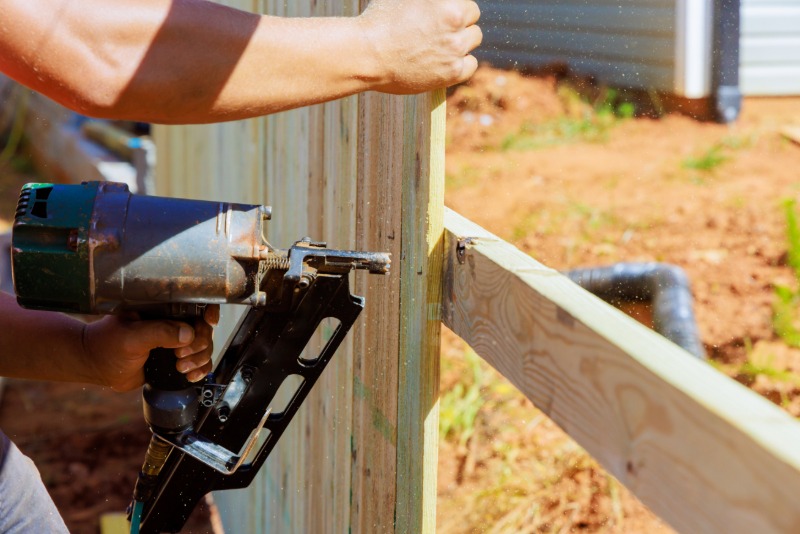
This uncertainty affects capital planning, risk management, and operational continuity. When gates start sagging, posts shift, or panels fail earlier than anticipated, the disruption extends beyond the fence line itself. Access control becomes unreliable. Security expectations are compromised. Tenant or user complaints increase. The fence may technically still be standing, but it is no longer performing the function it was installed to serve.
For teams coordinating phased development, managing tenant-occupied properties, or maintaining facilities with specific security and compliance requirements, these questions are not abstract. They drive budget decisions, project sequencing, and vendor selection. Clarity about what to expect from each material type in real conditions is more useful than generalized claims about durability.
How Each Fence Material Behaves Over Time in Commercial Use
In a commercial context, lifespan means more than how long a fence remains upright. It refers to the period during which the system continues to meet security, access control, and appearance expectations without requiring major intervention. A fence that is still standing but no longer closes properly, no longer deters unauthorized access, or no longer meets site appearance standards has effectively reached the end of its functional life, even if the structure itself has not collapsed.
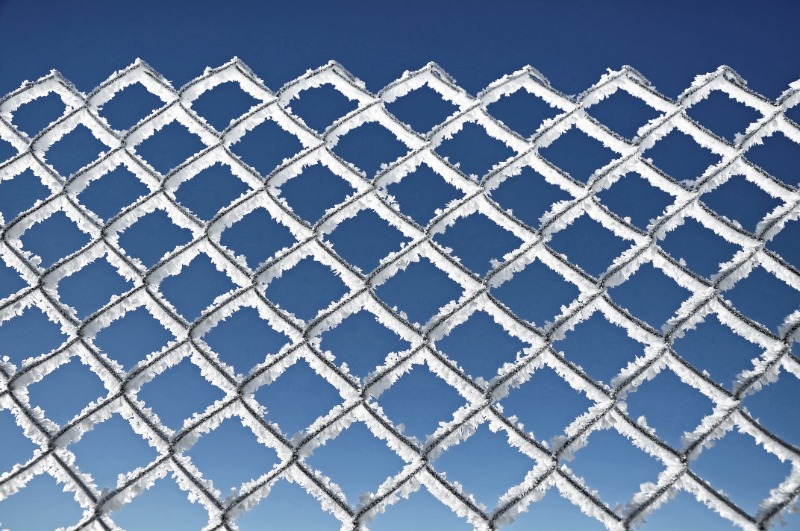
Chain link fencing, when built with galvanized steel framework and fabric, is widely regarded as one of the most durable options for high-use commercial sites. The galvanized coating resists corrosion effectively in most inland environments, and the open mesh design handles wind loads well compared to solid panels. Over time, the most common issues are localized fabric damage from cutting or impact, post movement in poorly drained or freeze-thaw-affected soils, and surface corrosion at welds, hardware, and the ground line where moisture collects. Privacy slats and windscreens installed on chain link often age faster than the underlying steel structure and may require earlier replacement to maintain the intended outcome.
Steel fencing, including ornamental and structural systems, offers strong performance when coatings are properly applied and maintained. Modern commercial steel fences typically use galvanized-then-powder-coated systems that resist corrosion more effectively than paint-only finishes. However, coating breakdown at welds, cut ends, base plates, and fasteners is a common starting point for deterioration. In environments with freeze-thaw cycles and seasonal moisture, rust can develop at these vulnerable points while the rest of the structure remains sound. The practical lifespan of a steel fence often depends less on the steel itself and more on the quality and maintenance of its protective coatings.
Vinyl fencing appeals to commercial users who prioritize consistent appearance and reduced routine maintenance. The material does not rust, does not require painting, and is unaffected by moisture in the way wood is. However, UV exposure gradually affects color and flexibility, and in high-sun climates like Northern Nevada, panels can become more brittle over time. This brittleness increases the risk of cracking or breakage from impacts, wind-borne debris, or people attempting to climb the fence. Hollow vinyl profiles can also deform under concentrated loads. Posts set in poor soil or shallow footings may lean regardless of the material’s resistance to moisture. The plastic itself may outlast wood coatings, but structural damage and UV-related brittleness often define the practical lifespan in busy commercial environments.
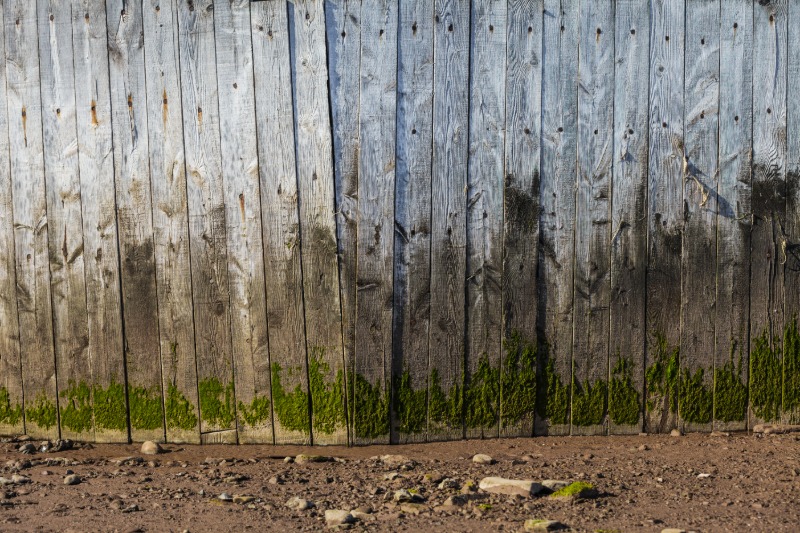
Wood fencing typically has the shortest functional lifespan of the four materials in demanding commercial applications. Even when pressure-treated or built with naturally decay-resistant species like cedar, wood remains vulnerable to moisture, UV, and temperature cycling. Boards warp, crack, and split over time. Posts rot at the ground line, especially in poorly drained soils or areas where snow accumulates and melts repeatedly. Fasteners corrode and loosen, leading to rattling, sagging, or complete panel failure. Regular sealing, staining, and component replacement can extend service life, but wood fencing does not support an install-and-forget approach in most commercial conditions.
What Drives Real-World Performance and Repair Timing
Understanding how each material responds to environmental stress and use patterns clarifies what commercial stakeholders should actually expect over time.
Reliability varies significantly. Chain link frameworks can remain structurally sound for extended periods with minimal attention, while accessories like slats and windscreens may need replacement sooner. Steel systems perform reliably where coatings are maintained and impact damage is addressed promptly, but localized corrosion at connection points can undermine sections while the broader structure remains intact.
Vinyl maintains a consistent appearance initially but may require panel or post replacement when cracking or breakage occurs. Wood demands more frequent inspection and component replacement, with fasteners, boards, and posts all aging at different rates.
Safety and risk considerations apply across all materials. Sagging gates, loose posts, and damaged panels create hazards and security vulnerabilities. On commercial properties, these conditions also raise liability concerns and can affect insurance, access control systems, and compliance with operational standards. A fence that no longer meets height requirements, has visible gaps, or includes climbable damage points is no longer performing its intended function, regardless of how much of the original structure remains.
Durability in Northern Nevada conditions is shaped by freeze-thaw cycles, snow load, wind exposure, and high UV intensity. Freeze-thaw movement can heave posts and crack shallow or undersized footings, affecting alignment and gate operation for every fence type. High UV accelerates coating breakdown on steel and causes discoloration and brittleness in vinyl and wood. Wind loads stress solid privacy surfaces more than open designs, making posts, rails, and fasteners on solid wood and vinyl panels more vulnerable to wind-driven movement and fatigue.
Long-term cost calculations often favor materials with lower repair frequency, even when initial costs are higher. Wood may have lower upfront material costs, but earlier replacement and more frequent maintenance can offset that savings over time. Vinyl reduces painting and staining costs but may require panel or post replacement when damaged. Chain link and galvanized steel frameworks can deliver lower lifecycle costs on sites where appearance requirements are modest and durability and security are the primary concerns.
Gates are a consistent early failure point across all materials. Repeated use, vehicle or equipment impact, and post movement from soil conditions all concentrate stress on gate assemblies. Hardware wear, alignment issues, and closer or latch failure affect daily operations and access control more than general line condition. When commercial stakeholders report problems with their perimeter systems, gates are frequently the first item discussed.
Common Assumptions That Do Not Hold Up in Practice
Several widely held assumptions about commercial fence materials diverge from actual performance observed over time.
The idea that all commercial fences have similar lifespans regardless of material or environment is not supported by real-world outcomes. Material selection, coating quality, soil conditions, use level, and maintenance practices create large differences in how long a fence remains functional. Expecting similar service life from wood and galvanized chain link on a high-traffic commercial yard is not realistic.
The belief that any commercial-grade fence is maintenance-free leads to deferred attention and earlier failure. Even durable systems like chain link and coated steel benefit from periodic inspection and minor repair at high-wear or high-exposure points. Gates in particular require ongoing attention regardless of how well the line sections are holding up.
The assumption that steel always outlasts other options does not account for coating quality and maintenance. A basic galvanized chain link framework can remain functionally sound longer than a poorly maintained ornamental steel system where coatings have failed and rust has started at welds and connections.
The expectation that vinyl never changes appearance or becomes brittle does not match performance in high-UV, high-temperature environments. Panels fade and become more susceptible to cracking over time, especially on sites with frequent impacts or climbing attempts.
The view that wood is uniformly short-lived oversimplifies a more nuanced reality. Performance varies significantly with species, treatment, fastener selection, and exposure conditions. Wood is not a single category with a single outcome.
How These Patterns Appear on Reno-Area Commercial Properties
On commercial sites across Reno and Northern Nevada, these material behaviors show up in predictable ways.
Chain link lines often remain structurally sound for extended periods while privacy slats, windscreens, or attached signage age first. The fabric and framework hold up, but the add-ons that provide screening or branding require earlier replacement to maintain the intended appearance and function.
Steel fences commonly develop localized rust at welds, base plates, and hardware before the broader structure shows significant wear. These spots become triggers for repair even when most of the fence remains strong. In some cases, property managers address these areas proactively to avoid more extensive corrosion damage.
Vinyl sections that initially look clean and consistent may crack or break from impacts, temperature-related brittleness, or abuse. High-use sites with vehicle traffic, equipment movement, or climbing attempts see these failures more frequently. Replacement panels are often available, but matching color and profile to aged material can be difficult.
Wood fences on commercial properties tend to show warped or missing boards, leaning posts, and loose fasteners well before complete structural failure. These conditions affect appearance, security, and user perception. In tenant-occupied properties, complaints about wood fence condition are common triggers for repair or replacement discussions.
Gates across all materials require the most frequent attention. Alignment issues from post movement, hardware wear from repeated cycling, and damage from vehicle or equipment contact all drive repair needs. When a commercial perimeter system is not performing as expected, the gate is usually the first place to investigate.
Working With a Contractor Familiar With These Conditions
Questions about fence lifespan typically arise when commercial stakeholders are evaluating whether to maintain, repair, or eventually replace existing perimeter systems. These conversations benefit from input grounded in local conditions and direct experience with how materials perform over time in specific environments.
A1 Fence LV works with general contractors, developers, and property managers throughout Reno and surrounding Northern Nevada communities on commercial fence installation and repair. The company brings experience from large-scale commercial work and applies that depth to projects operating in climates with snow, wind, and freeze-thaw conditions. Lalo Flores, the commercial estimator, regularly assesses existing fence conditions and discusses realistic expectations based on material, exposure, and site use.
Understanding common failure patterns and environmental stresses allows more realistic planning for chain link, steel, vinyl, and wood in commercial applications. Site conditions, use patterns, and maintenance practices will always create variation, but the underlying material behaviors remain consistent enough to inform practical decisions about what to expect and when to act.
If you are evaluating options for a current or upcoming project, you can request a quote online at https://a1fencelv.com/request-a-quote. For direct questions, contact Lalo Flores at lalo@a1fencelv.com or call 775-451-3328.
source https://a1fencelv.com/comparing-lifespans-of-chain-link-steel-vinyl-and-wood-commercial-fences/

No comments:
Post a Comment