Before installing a new fence in Reno, homeowners benefit from understanding how fences and gates actually behave over time in local weather conditions. What looks solid on day one will face years of sun, snow, wind, and freeze-thaw cycles that affect posts, panels, and hardware in predictable ways.
Knowing what to expect from a fence installation makes it easier to plan for the upkeep that comes with owning an outdoor structure in Northern Nevada.
This article draws on practical experience with Reno residential fence installation and repair, seeing firsthand how different materials and designs hold up across seasons.
The Reality of Owning a Fence in Reno’s Climate
Many homeowners get excited about a new fence but find themselves unsure what it will actually look like in five or ten years. The worry is understandable.
After a few Reno winters, will the posts start leaning? Will the gate sag until it barely latches? Will panels loosen every time the wind picks up?
These are not hypothetical concerns. Homeowners throughout Reno have watched neighbors deal with warped boards, rusted hardware, and sections that shift with each passing season. The frustration often comes from not knowing whether their own project will need steady repairs or hold up with only occasional attention.
The honest answer is that every fence changes over time. How much it changes depends on the materials, the installation, and the specific conditions on that property.
Posts set in areas where water collects will face more stress than posts on well-drained ground.
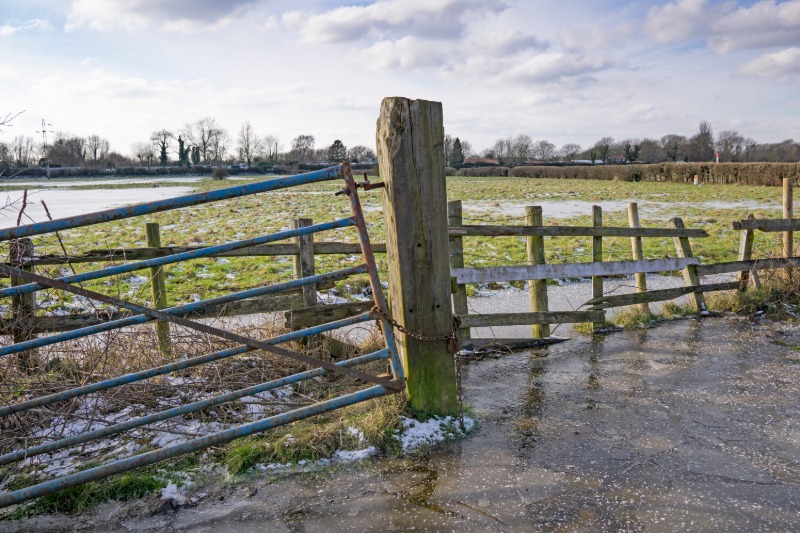
Fences on properties exposed to open wind corridors will take more punishment than those sheltered by structures or landscaping. A gate that gets opened and closed multiple times a day will wear differently than one that rarely moves.
Understanding these variables ahead of time helps set realistic expectations. It also makes it easier to recognize what counts as normal wear versus what signals a problem that needs attention.
How Fences Age in a Seasonal Climate
A fence in Reno is an outdoor structure that lives through full exposure to sun, wind, moisture, and temperature swings every single year. There is no controlled environment protecting it.
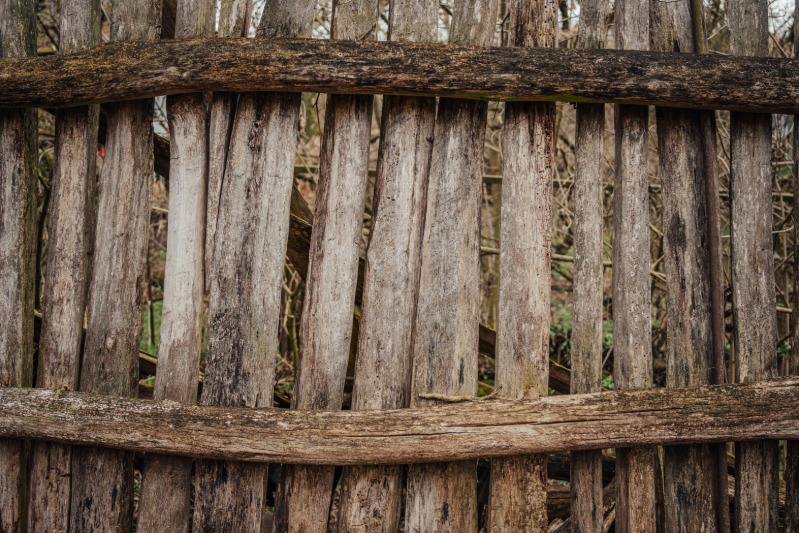
Wood fences tend to show wear through warping, cracking, and rot, especially at the base of posts where moisture lingers longest. Over several years, boards can loosen as fasteners work themselves free. The sun bleaches and dries the wood while moisture from snow and rain works into the grain.
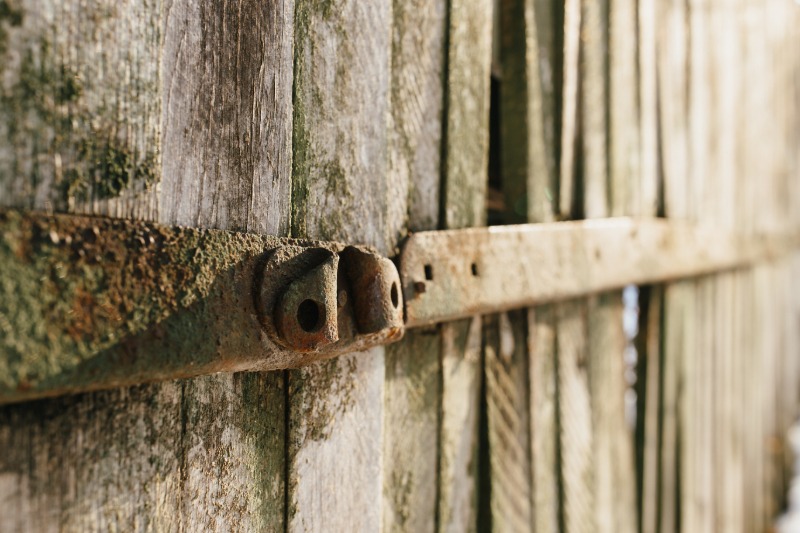
Metal fences and gates hold up differently. Rust can develop in certain spots, particularly where protective coatings wear thin. Hinges and latches on metal gates see constant stress from opening, closing, and seasonal movement in the posts. Bent sections from impact or heavy snow are common repair needs.
Vinyl fences resist rot but can become brittle over time. Cold snaps and strong wind are hard on vinyl panels and rails. Cracking, chalking, and broken sections show up most often where exposure is highest.
Gates almost always need attention sooner than straight fence runs. Gate posts carry more weight and absorb more movement. Sagging gates, dragging bottoms, and latches that stop lining up are everyday issues. What works fine in summer can bind or drag once the ground freezes and thaws repeatedly.
None of this means a fence is failing. It means the fence is aging the way outdoor structures age in a seasonal climate.
What Homeowners Should Consider Before Installation
Before the fence goes in, it helps to think about what will affect long-term reliability.
Post installation matters more than most homeowners realize. How deep the posts are set, what type of footing is used, and how well the installation accounts for drainage all influence how the fence handles years of freeze-thaw cycles and soil movement. Posts that shift create problems throughout the fence line, from leaning sections to gates that stop working correctly.
Hardware quality also plays a role. Hinges, latches, and fasteners are under constant stress. Cheaper hardware may need replacement sooner. In a climate with temperature swings, expansion and contraction put extra strain on metal components.
Material selection involves tradeoffs. Wood offers a traditional look but requires more maintenance over time. Metal is durable but can rust if coatings are damaged. Vinyl resists moisture but can crack in cold weather. No material is truly maintenance free in Reno conditions.
Safety considerations come into play as well. A fence that is supposed to contain kids or pets needs to stay stable and latch securely. A leaning section can become a hazard if it gives way during a wind event or under snow load. Gates that do not close properly defeat the purpose of the enclosure.
Long-term cost is shaped less by the initial installation price and more by how often repairs are needed, how the fence performs across seasons, and whether small issues get addressed before they spread.
Common Misunderstandings About New Fences
Many homeowners still expect a new fence to be a one-time project that stays perfect on its own for decades. That expectation does not match what actually happens in Reno conditions.
The idea that certain materials are completely maintenance free is common but misleading.
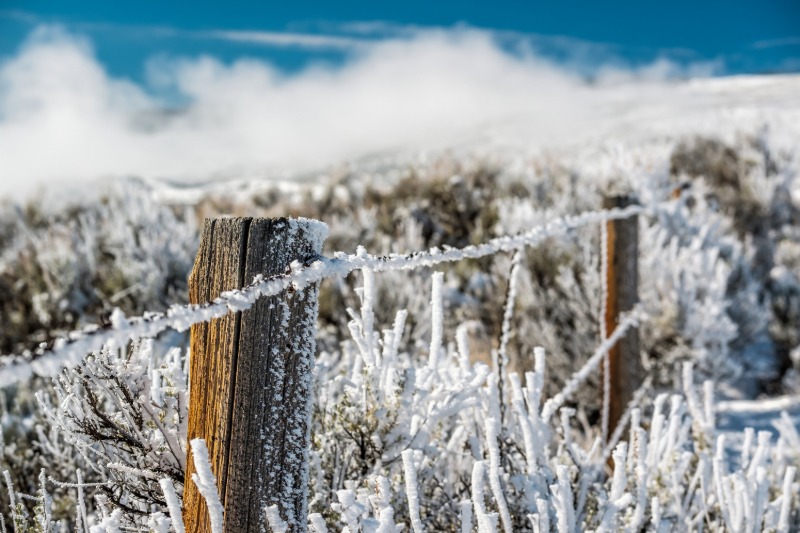
Every material has weak points that show up eventually when exposed to sun, snow, freezing temperatures, and wind year after year.
Another misunderstanding is expecting a repair to make an older fence perform like new. Age, earlier workmanship, and long-term weather exposure all limit how far a repair can go. A fix can extend the life of a fence, but it cannot undo years of wear.
Homeowners also sometimes believe that once a gate is adjusted, it will stay that way permanently. In reality, posts and hardware continue to shift slightly with changing weather and soil conditions. A gate that latches perfectly in October may need adjustment again by spring.
These are not signs of poor installation or defective materials. They are signs of an outdoor structure responding to its environment the way outdoor structures do.
How These Issues Show Up Over Time
In practice, a wood fence that looked perfectly straight at installation may show a few leaning posts and loose boards after several winters. The homeowner notices a section that moves more than it used to when the wind blows, or a board that has pulled away from the rail.
A metal gate that opened and closed smoothly for years may start to drag on the ground or miss the latch by just enough to be annoying. The posts have settled slightly, or the hinges have worn.
A vinyl panel that seemed solid may crack where wind and cold hit hardest. The damage often appears suddenly after a cold snap, even though the underlying stress built up gradually.
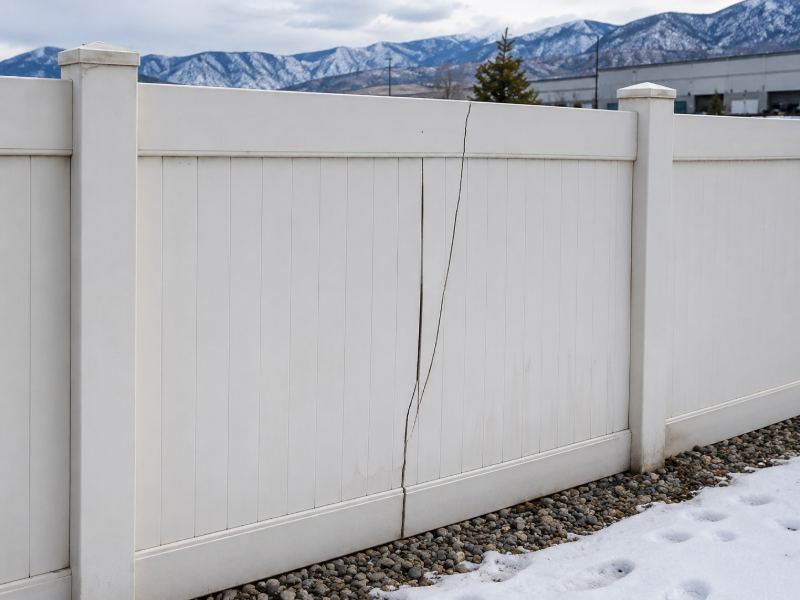
Homeowners often first notice minor issues. A gate needs an extra push. A section rattles in the wind. A post looks slightly off from the rest of the line. These small signs can turn into more obvious repair needs if ignored.
It is also common for a fence to look acceptable from the street while hiding weaker posts or loose fasteners that only show up under stress. What seems like a cosmetic issue may actually be structural, and what looks like structural damage may only be surface wear that does not affect stability.
Working With an Experienced Reno Fence Contractor
Questions about how a new fence will age, how often repairs might be needed, and what local weather really does to different materials are the same questions homeowners bring to experienced contractors who work with residential fence installation and repair every day.
A contractor familiar with Reno conditions can explain what to expect from different materials on a specific property. They can point out factors like drainage, wind exposure, and soil type that influence how a fence will perform over time.
That kind of practical input helps homeowners make informed decisions before the fence goes in, rather than learning through trial and error after the fact.
For homeowners in Reno evaluating their options, A1 Fence LV brings experience from residential and commercial projects throughout Northern Nevada. The team understands how seasonal conditions affect fence performance and can walk through the practical considerations that matter most for long-term durability.
Understanding What to Expect From Your Fence
Instead of seeing a fence as a one-time project that stays perfect on its own, homeowners in Reno are better off seeing it as an outdoor structure that will change with the seasons. Some adjustment and repair over time is normal, not a failure.
Having a realistic picture of how fences and gates age in local conditions makes it easier to understand what counts as normal wear, what is a true problem, and how the fence’s day-to-day performance may shift over the years. That understanding leads to better planning, fewer surprises, and a fence that serves its purpose for as long as possible.
If you are planning a new fence or considering repairs or upgrades, you can request a quote online at https://a1fencelv.com/request-a-quote, call 775-451-3328, or email joe@a1fencelv.com. Submitting the online request form is the simplest starting point for homeowners ready to move forward.
source https://a1fencelv.com/what-homeowners-should-know-before-installing-a-fence-in-reno/

No comments:
Post a Comment