Vinyl fence panels crack and break in Reno primarily because of the region’s freeze-thaw cycles, temperature swings, and wind exposure. The material itself is durable under stable conditions, but Northern Nevada’s seasonal climate creates stresses that vinyl was not originally designed to handle well.
Understanding how these factors interact helps homeowners recognize early warning signs and make informed decisions about repair or replacement. A1 Fence LV works with Reno homeowners regularly to address these exact issues.
How Temperature Swings Affect Vinyl Fence Panels
Vinyl is a rigid plastic material that expands when warm and contracts when cold. In Reno, daytime temperatures can climb significantly while nighttime temperatures drop below freezing, sometimes within the same 24-hour period. This constant expansion and contraction puts stress on the panels themselves and on the connections between panels and posts.
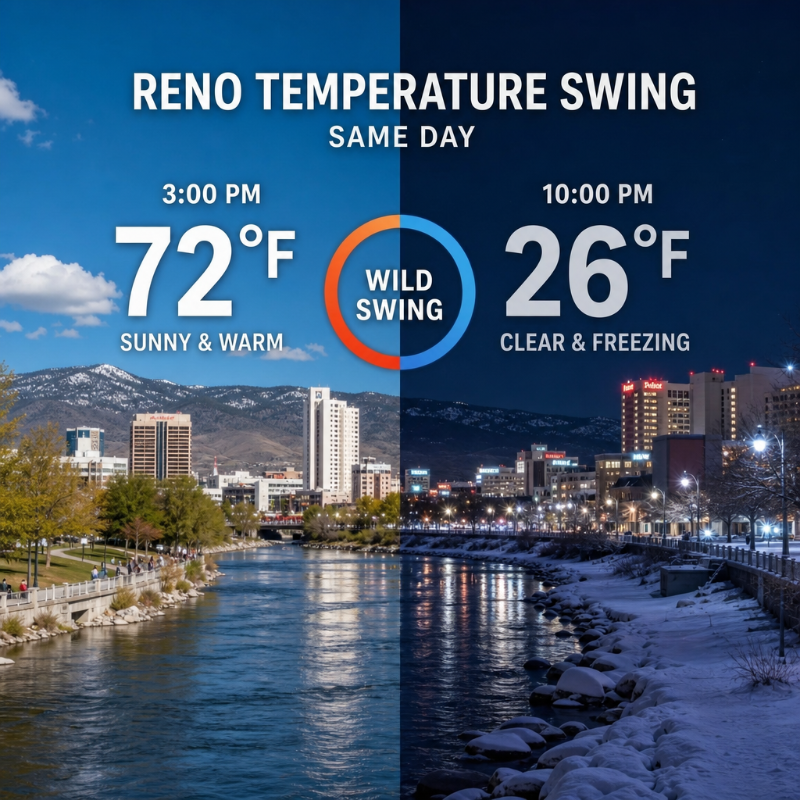
Over time, that repeated movement causes fatigue in the material. Small stress fractures develop along edges, near fastener points, and at corners where panels meet rails. These fractures may not be visible at first, but they weaken the panel structure.
When temperatures drop sharply, the vinyl becomes more brittle. A panel that might flex slightly in warmer weather can snap under the same pressure when cold. This is why cracks often appear in late fall or early spring when temperature variation is most extreme.
The mounting hardware also plays a role. Metal brackets and screws expand and contract at different rates than vinyl. That mismatch creates localized stress points where cracking tends to originate.
Panels installed with very tight tolerances can be especially vulnerable. If there is no room for seasonal movement, the material has nowhere to go when it expands, and the pressure builds until something gives.
Wind Load and Impact Damage in Northern Nevada
Reno and surrounding areas experience sustained winds and occasional high-speed gusts, particularly during spring and fall. Vinyl fence panels act like sails when wind hits them, transferring force to the posts and rails.
Solid privacy-style vinyl panels catch more wind than spaced or semi-private designs. That increased wind load can cause panels to bow, pull away from rails, or crack at stress points.
Impact damage is another common issue. Windblown debris, fallen branches, or objects striking the fence can cause immediate cracks or chips. Vinyl does not absorb impact the way wood does. Instead of denting or splintering, it tends to crack cleanly or shatter in cold conditions.
Older vinyl panels that have already experienced years of UV exposure and temperature cycling are more susceptible to impact damage. The material becomes less flexible over time, even if it still looks intact on the surface.
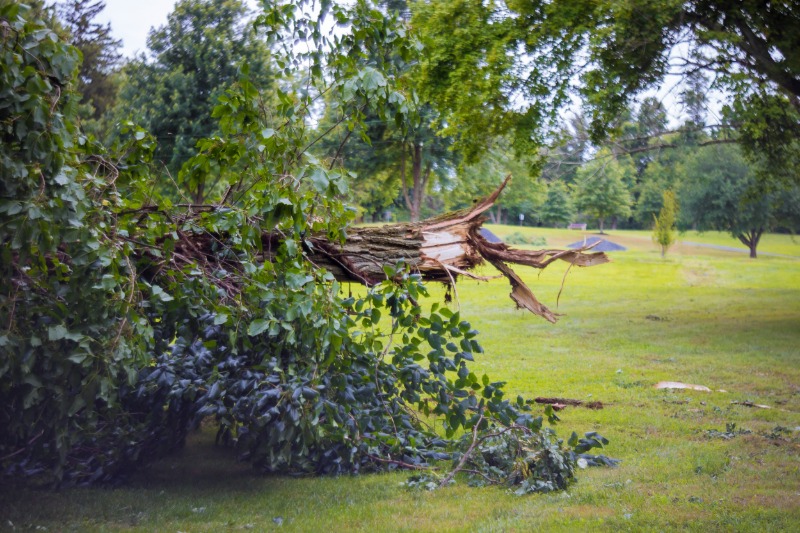
Fences installed in exposed locations, such as properties bordering open land or sitting on elevated terrain, face more wind stress than fences in sheltered yards. The same panel that performs well in a protected area may fail quickly when exposed to regular wind load.
Post stability also matters. If posts shift or loosen due to soil movement or improper installation, the panels absorb more stress during wind events. A panel attached to a solid post can flex and recover, but a panel attached to a leaning or unstable post is more likely to crack.
Ground Movement and Post-Related Failures
Northern Nevada soil moves seasonally. Freeze-thaw cycles cause the ground to expand and contract, which can shift fence posts over time. When posts move, the panels attached to them are forced out of alignment.
Vinyl panels are manufactured to fit within specific tolerances. When posts shift even slightly, the panels may no longer sit correctly in the rails. That misalignment creates pressure points where cracking becomes more likely.
In some cases, the posts themselves crack before the panels do. Vinyl posts are hollow and rely on internal reinforcement or concrete footings for stability. If the footing was not set deep enough or if water infiltration caused frost heaving, the post can lean, twist, or split.
When a post fails, the attached panels often follow. The connection points between panel and post are designed to handle vertical and lateral loads within a certain range. Once the post moves beyond that range, the panel edges can crack or the entire panel can pop out of the rail system.
Soil conditions vary across Reno neighborhoods. Properties with clay-heavy soil or poor drainage tend to experience more ground movement than those with sandy or well-drained soil. Homeowners in areas with known soil instability often see fence damage sooner than those in more stable locations.
Proper post installation depth and footing design can reduce these issues, but even well-installed posts may shift over time in challenging soil conditions.
UV Degradation and Long-Term Material Fatigue
Vinyl fence panels are rated for outdoor use and include UV inhibitors to slow sun damage. However, Reno’s high elevation means more intense UV exposure than lower-altitude regions. Over years of direct sun, even treated vinyl begins to degrade.

UV degradation causes the material to become chalky on the surface and brittle underneath. The flexibility that allows vinyl to handle minor stress without cracking diminishes as the material ages. Panels that were resilient when new may crack easily after a decade of sun exposure.
Color fading is often the first visible sign of UV damage. White panels may yellow slightly, while colored panels lose vibrancy. These cosmetic changes indicate that the UV inhibitors are breaking down and the structural integrity of the material is declining.
South-facing and west-facing fence sections typically show UV damage sooner than north-facing sections. Homeowners often notice that panels on one side of the yard crack while panels on another side remain intact. That inconsistency usually traces back to sun exposure patterns.
Material quality also affects longevity. Thicker panels with higher concentrations of UV stabilizers resist degradation longer than thinner, lower-grade panels. The difference may not be obvious at installation, but it becomes clear after several years of Northern Nevada weather.
When Repair Makes Sense and When Replacement Is the Better Option
Individual cracked or broken panels can often be replaced without removing the entire fence. Vinyl fence systems are modular by design, and matching replacement panels are available for most common styles. If the posts and rails are stable and the damage is limited to a few panels, targeted repair is usually practical.
However, if multiple panels are cracking, if posts are shifting, or if the vinyl has become brittle throughout the fence line, repair may only delay a larger failure. Replacing panels on a compromised frame often leads to repeated repairs as additional sections fail.
Age is a useful factor to consider. A vinyl fence that has been in place for 15 years or more in Reno conditions has likely experienced significant material fatigue. Even if only a few panels are currently damaged, others may be close behind.
Homeowners should also consider whether the existing fence style and color are still available. Vinyl manufacturers update product lines periodically, and older styles may be discontinued.
Matching new panels to an aging fence can be difficult if the original product is no longer made.
For fences with widespread damage or structural instability, full replacement often provides better long-term value than incremental repairs. A new installation with properly set posts and current-generation materials will handle Reno’s climate more reliably than a patched older system.
A1 Fence LV serves homeowners throughout Reno and Northern Nevada who are dealing with cracked, broken, or aging vinyl fences. The team evaluates existing conditions and helps property owners understand whether repair or replacement makes the most sense for their situation and budget.
If you are evaluating your options and want a second opinion, you can request a quote online at https://a1fencelv.com/request-a-quote, call 775-451-3328, or email joe@a1fencelv.com. Submitting the online request form is the simplest starting point for most projects.
source https://a1fencelv.com/why-vinyl-fence-panels-crack-and-break-in-reno/

No comments:
Post a Comment